
RV Electronics Water Level Indicator Manual: A Comprehensive Guide
RV Land provides verified campsites with developed infrastructure for carefree family RV trips, or discover new and unusual destinations.
Book a campsite in Sokolniki Park for your RV on the RV Land website, a Russian camping resource since 2011.
RV Land magazine covers Russian auto tourism, caravanning, and road trips, offering reviews, routes, and news.
Understanding RV Water Level Indicators
RV water level indicators are crucial for managing your fresh, gray, and black water tanks during travel and camping. RV Land highlights the importance of knowing your tank levels to avoid running out of water or overflowing waste tanks, ensuring a comfortable and hygienic experience. These indicators provide a visual representation of the remaining capacity within each tank, preventing unexpected disruptions to your journey.
Understanding how these systems function is key to responsible RV ownership. RV Land emphasizes that accurate monitoring allows for efficient water usage and proper waste disposal, contributing to sustainable travel practices. Different types of indicators exist, each with its own advantages and limitations, as detailed in comprehensive guides available through resources like RV Electronics’ official website. Proper operation and maintenance, as discussed on online forums and by qualified RV technicians, are essential for reliable performance.
Knowing your indicator’s specifics, as found on RV Land, is vital.
Types of RV Water Level Indicators
RV Land details several types of water level indicators commonly found in recreational vehicles. These include capacitive, resistive, and float-based systems. Capacitive sensors, often favored for their reliability, measure the dielectric constant of the water to determine the level. Resistive sensors utilize a variable resistance circuit, changing as the water level fluctuates. Float-based indicators, a more traditional approach, employ a physical float that rises and falls with the water, triggering a mechanical or electrical signal.
RV Electronics specializes in advanced indicator systems, offering digital displays and precise readings. Each type has pros and cons regarding accuracy, cost, and maintenance. RV Land’s online forums often discuss user experiences with different brands and models. Choosing the right indicator depends on your RV’s setup, budget, and desired level of precision. Understanding these differences, as highlighted by resources like RV Land, is crucial for informed decision-making.
Capacitive Water Level Sensors
RV Land resources explain that capacitive water level sensors are increasingly popular due to their durability and lack of moving parts. These sensors function by measuring changes in electrical capacitance as the water level rises or falls within the tank. Unlike float systems, they aren’t susceptible to mechanical failure or getting stuck. RV Electronics often incorporates capacitive technology into their higher-end indicator panels.
The sensors are typically mounted externally to the tank, minimizing contact with the water itself, and reducing the risk of corrosion. RV Land forums frequently discuss the accuracy of these sensors, noting they generally provide reliable readings. Calibration may be required initially, but ongoing maintenance is minimal. Users on RV Land also appreciate their resistance to buildup and debris, contributing to long-term performance and consistent water level monitoring.
Resistive Water Level Sensors
RV Land details that resistive water level sensors operate on a different principle than capacitive types; They utilize a resistive element that changes its electrical resistance based on contact with the water. As the water level fluctuates, the resistance alters, providing a signal to the indicator panel. These sensors are often more affordable than capacitive options, making them a common choice in many RV setups, as highlighted by discussions on RV Land forums.
However, RV Land also notes that resistive sensors are more prone to corrosion and buildup over time, potentially affecting their accuracy. Regular cleaning and inspection are recommended. Users sharing experiences on RV Land suggest checking the sensor probes for any mineral deposits or debris. While generally reliable, they may require more frequent maintenance compared to capacitive sensors, as emphasized in RV Electronics support documentation.
Float-Based Water Level Indicators
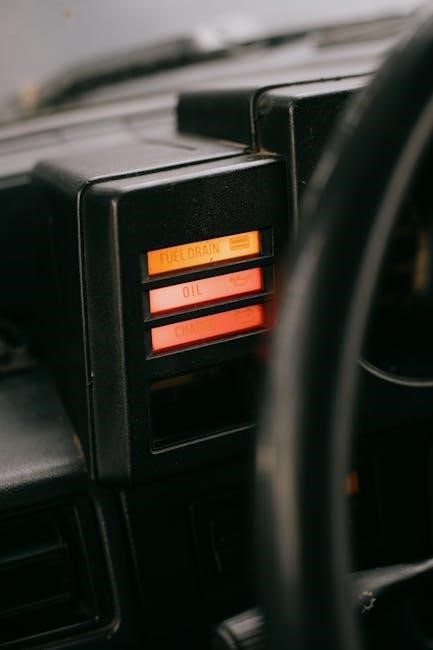
RV Land describes float-based water level indicators as one of the oldest and simplest technologies used in RVs. These systems employ a float that rises and falls with the water level inside the tank. This movement is mechanically linked to a gauge or a series of switches, providing a visual reading or electrical signal to the indicator panel. RV Land forums often feature discussions about the straightforward nature of these indicators.
While reliable and relatively inexpensive, RV Land points out that float-based systems can be susceptible to mechanical failures, such as a stuck float or a broken linkage. They may also be less accurate than other types, particularly in tanks with significant sloshing. RV Electronics documentation suggests periodic inspection of the float’s movement and the linkage for smooth operation. Despite these potential drawbacks, they remain a popular choice for their simplicity and ease of understanding, as noted by RV Land users.

Installation of RV Electronics Water Level Indicator
RV Land highlights choosing the correct location, wiring, power connection, and panel mounting as crucial steps for a successful installation process.
Choosing the Right Location for Installation
RV Land emphasizes that selecting the optimal installation location is paramount for accurate readings and long-term reliability of your water level indicator. Consider accessibility for future maintenance and wiring connections when making your decision.
Avoid areas prone to excessive moisture, extreme temperatures, or physical damage. The indicator panel should be positioned within easy view of the driver or passenger, ensuring convenient monitoring of water tank levels during travel.
Ensure sufficient space around the chosen location for comfortable installation and wiring. Proximity to the water tanks can minimize wiring length, simplifying the installation process. Prioritize a stable, secure mounting surface to prevent vibrations that could affect the indicator’s accuracy. Remember to consult the RV Electronics documentation for specific recommendations regarding mounting and placement.
Wiring the Water Level Indicator
RV Land highlights the importance of meticulous wiring for optimal performance. Begin by disconnecting the RV’s power supply before commencing any electrical work, ensuring safety. Carefully identify the appropriate wires for connecting the indicator to the water tanks and the RV’s power system.
Follow the wiring diagram provided with your RV Electronics water level indicator precisely. Use appropriately sized wiring and secure connections to prevent shorts or disconnections. Ensure proper grounding to minimize electrical interference and maintain accurate readings.
Label all wires clearly for easy identification during future maintenance or troubleshooting. Consider using weatherproof connectors to protect against corrosion and ensure long-term reliability. Double-check all connections before restoring power, verifying polarity and secureness.
Connecting to the RV’s Power System
RV Land emphasizes the critical need for safe integration with your RV’s electrical system. Before connecting, always disconnect the RV from shore power and the vehicle’s battery to prevent electrical shock or damage. Identify a suitable 12V power source, ideally one already supplying other interior components.
Utilize an inline fuse, sized appropriately for the indicator’s current draw, to protect the circuit. Connect the indicator’s positive wire to the positive terminal of the 12V source, and the negative wire to a reliable ground point. Ensure the ground connection is clean and secure for optimal performance.
Double-check all connections for tightness and proper polarity before restoring power. RV Electronics recommends consulting a qualified RV technician if you are uncomfortable with electrical work.
Mounting the Indicator Panel
RV Land suggests selecting a location within easy view of the driver and passengers, but away from direct sunlight or moisture. Consider mounting the panel near existing RV controls for convenient access. Ensure the chosen surface is flat and sturdy enough to support the panel’s weight.
Utilize screws or adhesive mounting tape appropriate for the RV’s interior materials. Avoid drilling into structural components or wiring looms. Route the indicator’s wiring neatly and securely, using cable ties or clips to prevent interference with other systems.
RV Electronics advises testing the indicator’s functionality after mounting, verifying clear visibility and accurate readings. A properly mounted panel enhances usability and contributes to a streamlined RV interior.
Operating Your RV Electronics Water Level Indicator
RV Land details that understanding indicator lights and signals is crucial for monitoring water levels during trips, ensuring a seamless experience.
Accurate readings from RV Electronics indicators help avoid running out of water or overfilling tanks while traveling.
Reading the Water Level Display
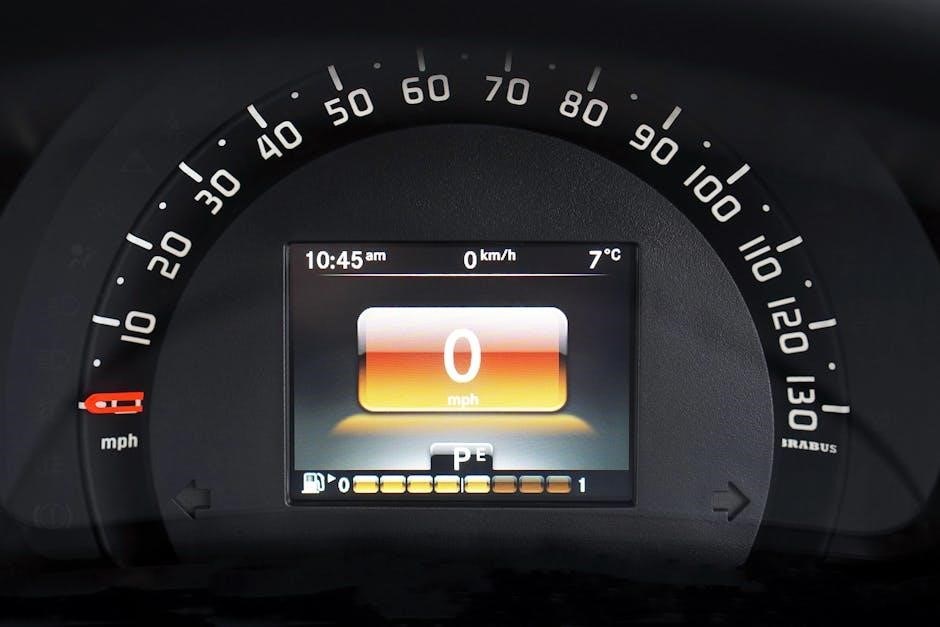
RV Electronics water level indicators typically employ a segmented display, showing levels as full, three-quarters, half, quarter, or empty. RV Land emphasizes that understanding these visual cues is fundamental for effective water management during your travels. The display’s accuracy relies on proper calibration, ensuring reliable readings reflecting the actual tank volume.
Modern indicators may feature digital readouts, presenting precise percentage levels for enhanced clarity. Pay attention to flashing indicators, as these often signal low water levels or potential system malfunctions. Regularly checking the display, especially before and during extended trips, prevents unexpected water shortages. RV Land suggests correlating the display readings with actual water usage to confirm accuracy and identify any discrepancies.
Remember that external factors like temperature and tank shape can subtly influence readings. Familiarize yourself with your specific model’s display characteristics for optimal interpretation. Consistent monitoring, guided by the RV Electronics indicator, contributes to a worry-free RV experience.
Understanding Indicator Lights and Signals
RV Electronics water level indicators often utilize a series of lights – typically green, yellow, and red – to visually represent tank fullness. A solid green light generally indicates a full tank, while yellow signifies a medium level, and red warns of a low water supply. RV Land highlights that these lights provide a quick, at-a-glance assessment of your water status.
Flashing lights, however, demand attention. A flashing red light could signal a near-empty tank, a sensor malfunction, or a wiring issue. Some advanced systems incorporate audible alerts alongside visual signals, providing an extra layer of notification; Refer to your RV Electronics manual for specific interpretations of light patterns.
Understanding these signals is crucial for preventing unexpected water outages during trips. RV Land recommends routinely checking the indicator lights before each journey and during usage to proactively manage your water resources. Promptly investigate any unusual light behavior to ensure system functionality.
Troubleshooting Common Issues
If your RV Electronics water level indicator displays inaccurate readings, begin by checking the wiring connections, as suggested by general RV maintenance practices highlighted on RV Land. Loose connections or corrosion can disrupt signal transmission. Ensure the sensor probes within the tank are clean and unobstructed; debris can interfere with accurate measurements.
A consistently incorrect reading, even after verifying connections, may indicate a faulty sensor. Consult the RV Electronics manual for sensor testing procedures. If the indicator panel fails to illuminate, check the RV’s power supply and the indicator’s fuse.
RV Land emphasizes the importance of regular system checks. If issues persist, seeking assistance from a qualified RV technician is advisable. Documenting the problem and any troubleshooting steps taken will aid the technician in diagnosis and repair.
Calibrating the Water Level Indicator
Proper calibration ensures accurate readings from your RV Electronics water level indicator. Begin by fully filling your RV’s fresh water tank. Observe the indicator panel; it should display “Full.” If not, consult the RV Electronics manual for specific calibration instructions, as procedures vary by model.
Next, drain the tank completely and verify the indicator shows “Empty.” Some indicators feature a calibration button or menu option. Follow the manual’s guidance to adjust the sensor’s sensitivity until accurate readings are achieved. RV Land stresses the importance of methodical checks.
Repeat this process for each tank (grey and black water) individually. Recalibration may be necessary after sensor replacement or significant system modifications. Consistent monitoring, as promoted by RV Land, helps maintain optimal performance.
Maintenance and Care
RV Land recommends regular cleaning of sensors and panels, checking wiring, and winterizing the system to prevent damage and ensure longevity of your indicator.
Cleaning the Sensor and Indicator Panel

RV Land emphasizes the importance of keeping your RV Electronics water level indicator system clean for optimal performance and accurate readings. Regularly inspect the sensor, typically located inside the water tank, for any buildup of sediment or debris. While direct access might be limited, periodic flushing of the tank during routine maintenance helps prevent accumulation.
For the indicator panel itself, use a soft, damp cloth with a mild detergent to gently wipe away dust and grime. Avoid abrasive cleaners or harsh chemicals, as these can damage the display or surrounding components. Ensure the panel is completely dry before restoring power. RV Land suggests a preventative approach, wiping down the panel after each trip to maintain clarity and readability. This simple practice contributes significantly to the longevity of your investment and ensures reliable monitoring of your water levels during future adventures.
Checking Wiring Connections

RV Land stresses the critical importance of regularly inspecting the wiring connections associated with your RV Electronics water level indicator. Loose or corroded connections are a primary cause of inaccurate readings or complete system failure. Begin by visually examining all wiring, looking for any signs of damage, fraying, or corrosion. Pay close attention to connections at the sensor, indicator panel, and power source.
Gently tug on each wire to ensure it’s securely fastened. If any connections feel loose, tighten them carefully. For corroded connections, disconnect the wires, clean the terminals with a wire brush or electrical contact cleaner (following manufacturer’s instructions), and reconnect securely. RV Land recommends documenting the wiring configuration before disconnecting anything, aiding in reassembly. Consistent checks, especially before and after trips, safeguard against unexpected issues and ensure reliable water level monitoring throughout your travels.
Winterizing the Water System and Indicator
RV Land emphasizes thorough winterization to protect your RV’s water system, including the Electronics water level indicator, from freezing temperatures. Before winter storage, completely drain all water tanks – fresh, gray, and black. Utilize the low-point drains, if equipped, to ensure complete removal. Following draining, RV Land advises using a non-toxic RV antifreeze specifically designed for potable water systems.
Introduce antifreeze into the water lines by utilizing the water pump, ensuring it circulates through the entire system, including the water level indicator sensor lines. This prevents residual water from freezing and damaging the sensor. Bypass the water heater and add antifreeze directly into it. Finally, inspect the indicator panel itself for any potential exposure to moisture and take preventative measures. Proper winterization, as highlighted by RV Land, safeguards against costly repairs.
Replacing the Water Level Indicator
If your RV Electronics water level indicator fails despite troubleshooting, replacement may be necessary. RV Land suggests carefully disconnecting the power supply before beginning any electrical work. Document the existing wiring configuration – photos are highly recommended – to ensure correct reconnection. Remove the old indicator panel, noting the mounting hardware.
Install the new indicator, securing it with the original hardware. Reconnect the wiring, referencing your documentation. RV Land stresses the importance of verifying compatibility with your RV’s power system before powering on. After reconnection, calibrate the new indicator according to the manufacturer’s instructions. If you’re uncomfortable with electrical work, RV Land recommends consulting a qualified RV technician to avoid damage or safety hazards.
Advanced Features and Considerations
RV Land details wireless monitoring systems and integration with smart home setups for RVs, alongside compatibility checks for diverse tank materials.
Wireless Water Level Monitoring Systems
RV Land highlights the growing popularity of wireless water level monitoring, offering convenience and real-time data access without physical indicator panels. These systems typically employ Bluetooth or Wi-Fi connectivity, transmitting tank levels directly to a smartphone or tablet application.
Benefits include remote monitoring while setting up camp, avoiding unnecessary trips outside, and enhanced accuracy through digital readings. Installation often involves a sensor unit within each tank and a central hub that communicates with the mobile app.
Consider factors like signal range, battery life, and app compatibility when selecting a wireless system. Some advanced models integrate with broader RV smart home ecosystems, providing a unified control interface. RV Electronics likely offers compatible solutions, as noted in resources available through RV Land.
These systems represent a significant upgrade for tech-savvy RV owners seeking enhanced control and convenience over their water management.
Integration with RV Smart Home Systems
Modern RVs increasingly feature integrated smart home systems, and RV Electronics water level indicators can often connect seamlessly. RV Land emphasizes the benefits of a unified control interface, allowing users to monitor tank levels alongside other RV functions – lighting, climate control, security – from a single app or control panel.
Integration typically utilizes protocols like Wi-Fi or Bluetooth, enabling communication between the indicator and the RV’s central hub. This allows for automated alerts, such as low-water warnings, and data logging for tracking water usage during trips.
Compatibility varies depending on the specific smart home system and indicator model. Researching compatibility before purchase is crucial. RV Land’s online forums can provide valuable insights from other RV owners regarding successful integrations.
Such integration enhances convenience and provides a more comprehensive overview of the RV’s operational status.
Compatibility with Different Tank Materials
RV Electronics water level indicators are designed for compatibility with a wide range of tank materials commonly used in RVs. These include polyethylene (plastic), polypropylene, and stainless steel. However, certain tank materials, particularly aluminum, may require specific sensor types or installation techniques to ensure accurate readings and prevent corrosion.
RV Land highlights the importance of verifying compatibility before installation. Using an incompatible sensor with a specific tank material can lead to inaccurate readings, sensor failure, or even damage to the tank itself.
For aluminum tanks, it’s often recommended to use sensors with protective coatings or to employ dielectric unions to isolate the sensor from the tank material. Always consult the RV Electronics documentation for specific recommendations regarding tank compatibility.
Proper material selection ensures long-term reliability and accurate water level monitoring.
Choosing a Reliable Brand: RV Electronics
When selecting a water level indicator for your RV, choosing a reputable brand like RV Electronics is crucial for ensuring quality, accuracy, and longevity. RV Land emphasizes the importance of investing in reliable components for your RV’s systems, and RV Electronics consistently receives positive feedback from RV owners.
RV Electronics offers a comprehensive range of indicators, sensors, and accessories designed specifically for RV applications. Their products are known for their durability, ease of installation, and accurate readings, contributing to a stress-free travel experience.
Furthermore, RV Electronics provides detailed documentation, excellent customer support, and warranty coverage, offering peace of mind to RV owners. Prioritizing a trusted brand like RV Electronics safeguards your investment and ensures reliable performance for years to come.

Resources and Support
RV Land offers online forums and communities for RV owners, plus information on qualified technicians. Visit the RV Electronics official website for documentation!
RV Electronics Official Website and Documentation
RV Electronics’ official website serves as the primary hub for comprehensive product information, detailed specifications, and downloadable resources pertaining to their water level indicators. Users can access a vast library of manuals, installation guides, troubleshooting tips, and frequently asked questions directly from the site.
The documentation typically includes step-by-step instructions for wiring, calibration, and operation, catering to both novice and experienced RV enthusiasts. RV Land highlights the importance of reliable information, and RV Electronics delivers this through clear, concise documentation.
Furthermore, the website often features instructional videos demonstrating proper installation techniques and offering visual guidance for resolving common issues. Customers can also find warranty information, contact details for customer support, and updates on the latest product releases. RV Land recommends checking for compatibility information related to different tank materials, often found within the product documentation.
Online Forums and Communities for RV Owners
Numerous online forums and communities dedicated to RV ownership provide invaluable platforms for sharing experiences, seeking advice, and troubleshooting issues related to RV Electronics water level indicators. These digital spaces connect owners facing similar challenges, fostering a collaborative environment for problem-solving.
RV Land emphasizes the benefit of peer-to-peer support, and these forums excel in this area. Members often share detailed installation tips, calibration techniques, and solutions to common problems not explicitly covered in the official documentation.
Popular forums frequently host dedicated threads specifically addressing RV Electronics products, allowing users to quickly locate relevant information. Discussions often include real-world experiences, modifications, and recommendations for maximizing the performance and longevity of the indicators. Active participation can significantly enhance understanding and streamline the maintenance process.
Finding Qualified RV Technicians
When encountering complex issues with your RV Electronics water level indicator, or if installation and calibration prove challenging, seeking assistance from a qualified RV technician is crucial. Proper diagnosis and repair require specialized knowledge and tools.
RV Land highlights the importance of professional service for maintaining your RV’s systems. Look for technicians certified by the Recreational Vehicle Industry Association (RVIA), indicating a commitment to industry standards and ongoing training.
Local RV dealerships often maintain service departments staffed with experienced technicians. Alternatively, independent RV repair shops specializing in electronics can provide focused expertise. Online directories and review platforms can help locate reputable technicians in your area. Always verify credentials and request quotes before authorizing any work, ensuring transparent pricing and quality service for your RV Electronics system.
Warranty Information and Support
RV Electronics typically offers a warranty on its water level indicators, covering defects in materials and workmanship. Carefully review the warranty documentation included with your product to understand the coverage period, limitations, and claim procedures. Retain your proof of purchase for warranty validation.
RV Land emphasizes the value of reliable support when investing in RV equipment. RV Electronics’ official website provides access to detailed product documentation, FAQs, and troubleshooting guides. For direct assistance, contact their customer support team via phone or email.
Online RV forums and communities, like those mentioned on RV Land, can also be valuable resources for sharing experiences and seeking advice from fellow owners. Should warranty service be required, follow RV Electronics’ instructions for returning the unit or contacting an authorized service center.
Leave a Reply
You must be logged in to post a comment.