Understanding Scholl Nail Fungal Treatment
Scholl’s treatment gains popularity due to its ease of use and positive customer feedback, boasting over 17,000 Amazon reviews; it effectively combats and prevents fungal nail issues.
What is Nail Fungus (Onychomycosis)?
Nail fungus, medically termed onychomycosis, represents a remarkably common condition impacting a significant portion of the population. It’s characterized by an infection residing beneath the nail surface, often manifesting as discoloration, thickening, and brittleness of the affected nail. Initially, the condition might present subtly, with minor nail discoloration or lifting – symptoms easily overlooked in its early stages.
However, without appropriate intervention, the infection can progress, leading to more noticeable and potentially uncomfortable changes. Nails may become significantly thickened, making routine tasks like trimming difficult, and they can become brittle, prone to cracking or even complete detachment. While typically not a serious health threat, onychomycosis can cause discomfort and aesthetic concerns, prompting individuals to seek effective treatment options. It’s a sneaky and stubborn condition, often developing slowly over time.
How You Can Contract Nail Fungus
Nail fungus is surprisingly contagious and can be contracted from a variety of sources. It thrives in warm, moist environments, making communal areas prime breeding grounds. Common locations include swimming pools, gyms, and even nail salons, where the fungus can easily spread through shared equipment or floors.
Spending extended periods in and around water increases your risk, as does minor nail injury, which provides an entry point for the fungus. Even seemingly innocuous places like bowling shoes can harbor the infection. The fungus can also spread through direct contact with an infected individual or by touching contaminated surfaces. It’s important to practice good foot hygiene and avoid sharing personal items like nail clippers or shoes to minimize your risk of contracting this stubborn infection.
Early Signs and Symptoms of Nail Fungus
Detecting nail fungus early is crucial for effective treatment. Initially, the infection often manifests as subtle changes to the nail’s appearance. A common first sign is mild discoloration, often appearing as white or yellowish spots under the nail. You might also notice a slight lifting or thickening of the nail, particularly at the edges.
As the infection progresses, these symptoms become more pronounced. The nail may become increasingly brittle, crumbly, and distorted in shape. In severe cases, the nail can completely detach from the nail bed, causing discomfort and potential pain. While not usually a serious health threat, untreated nail fungus can lead to unsightly nails and, in some instances, require medical intervention. Prompt attention to these early signs can significantly improve treatment outcomes.
Scholl Fungal Nail Treatment: A Detailed Guide
Scholl’s treatment is a widely available and highly-rated solution for tackling fungal nail infections, offering a convenient and effective approach to nail care and restoration.
What Makes Scholl Fungal Nail Treatment Popular?
Scholl Fungal Nail Treatment has garnered significant popularity, largely fueled by overwhelmingly positive customer experiences and a substantial online presence, particularly on platforms like Amazon where it boasts over 17,000 reviews. This widespread acclaim stems from its perceived effectiveness in both treating existing fungal nail infections and preventing their recurrence.
Users frequently highlight the treatment’s convenience and ease of use, making it an accessible option for individuals seeking a solution they can administer at home. The product’s ability to address discoloration, thickening, and brittleness associated with fungal nails contributes to its appeal. Furthermore, the readily available nature of Scholl’s treatment, combined with its positive reputation, has solidified its position as a go-to choice for many seeking relief from this common condition. It’s a practical solution for those wanting to avoid more invasive or costly procedures.
Key Ingredients in Scholl Fungal Nail Treatment
While specific ingredient details aren’t explicitly detailed in the provided text snippets, the effectiveness of Scholl Fungal Nail Treatment suggests a formulation designed to combat fungal growth at the source. The treatment likely incorporates antifungal agents that work to inhibit the proliferation of dermatophytes, the fungi responsible for onychomycosis (nail fungus).
Given its popularity and positive reviews, the formula probably includes components that aid in nail penetration, ensuring the active ingredients reach the infected area effectively. It may also contain ingredients to improve nail health, addressing symptoms like brittleness and discoloration. The precise composition remains proprietary, but the treatment’s success points to a carefully balanced blend of antifungal and restorative elements. Further research into the product’s official documentation would reveal a complete ingredient list.
How Scholl Treatment Works: Mechanism of Action
Based on available information, Scholl Fungal Nail Treatment operates by targeting the underlying fungal infection causing onychomycosis. While the exact mechanism isn’t detailed, it’s understood to work by stopping fungal growth and aiding in clearing the infection. The treatment likely delivers antifungal agents directly to the affected nail bed, disrupting the fungal cell structure and inhibiting its ability to reproduce.
This action gradually reduces the fungal load, allowing healthy nail to grow in its place. The treatment’s effectiveness, as evidenced by numerous positive reviews, suggests a potent formula capable of penetrating the nail and reaching the infection. Laser treatments also aim to stop fungal growth, indicating a similar principle of action. Consistent application, as per instructions, is crucial for optimal results and complete eradication of the fungus.
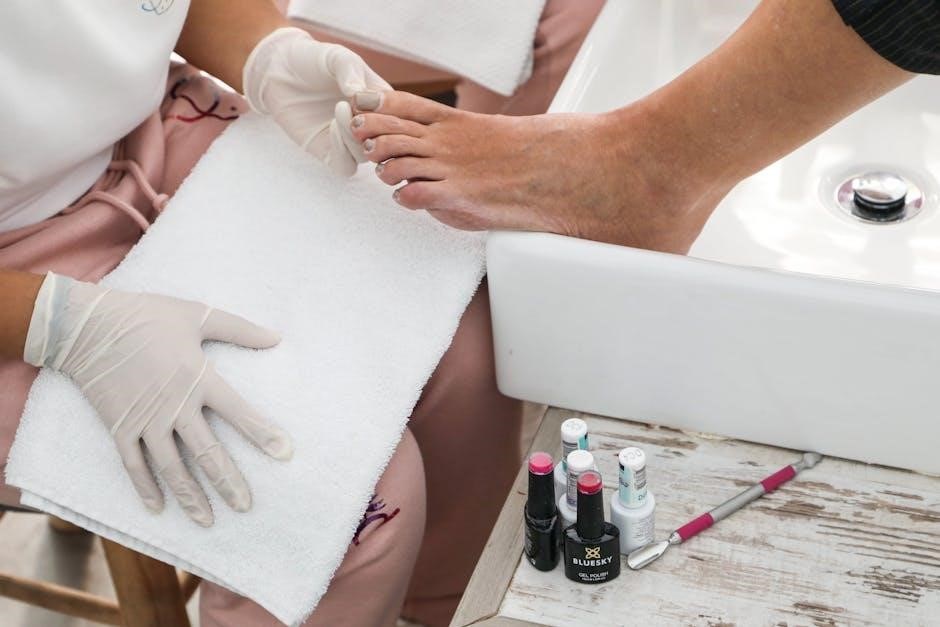
Applying Scholl Fungal Nail Treatment – Step-by-Step Instructions
Preparation is key; gently file the affected nail to enhance penetration, then carefully apply the treatment following the product’s detailed guidance for optimal results.
Preparation Before Application
Before initiating Scholl Fungal Nail Treatment, meticulous preparation is paramount for maximizing effectiveness. Begin by thoroughly washing and drying your feet, ensuring the affected nail is clean and free from any residual lotions or creams. This creates an optimal surface for the treatment to adhere to and penetrate.
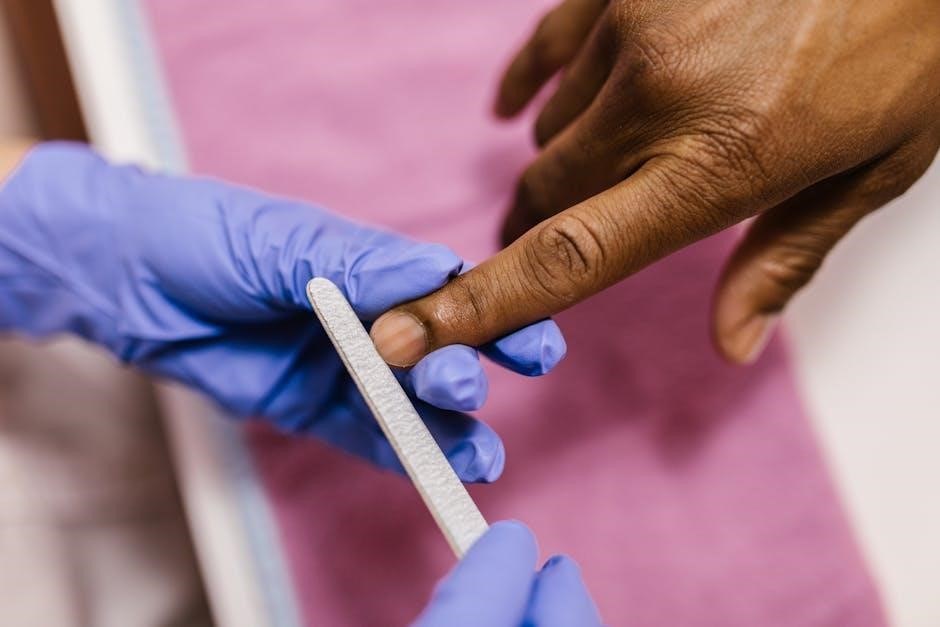
Crucially, the affected nail requires filing. Using a nail file (preferably disposable to prevent cross-contamination), gently reduce the thickness of the nail and remove any loose or damaged portions. This process isn’t about eliminating the entire nail, but rather creating a slightly rough surface to allow the treatment to reach the fungal infection beneath.
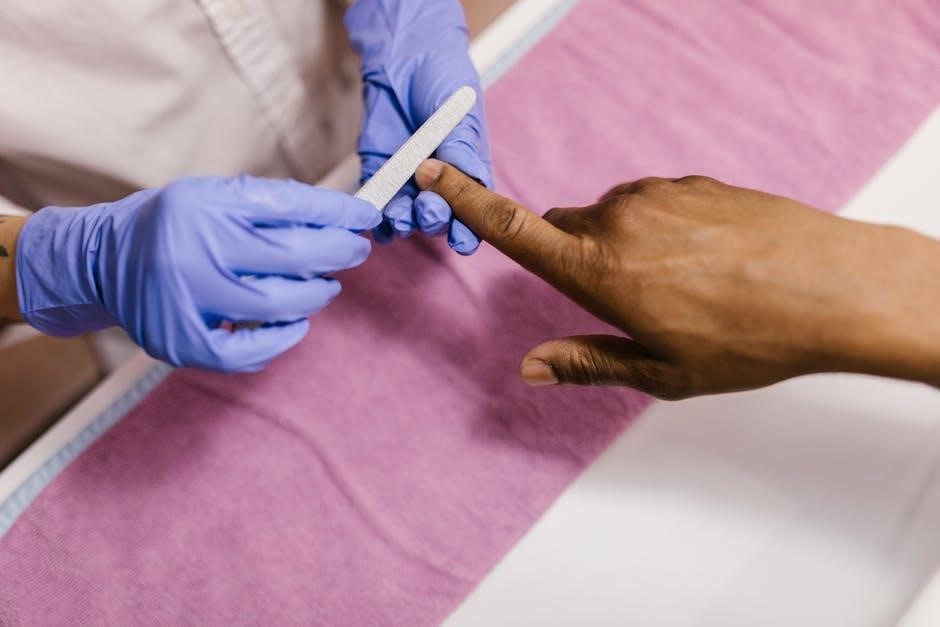
Remember to file in one direction to avoid causing further damage or splitting. Finally, ensure your hands are clean before and after handling the affected nail and the treatment applicator. Proper preparation significantly enhances the treatment’s ability to target and combat the fungal infection effectively.
Step 1: Filing the Affected Nail
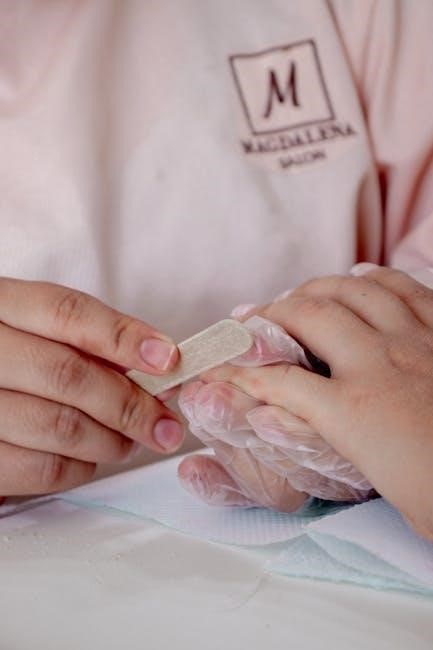
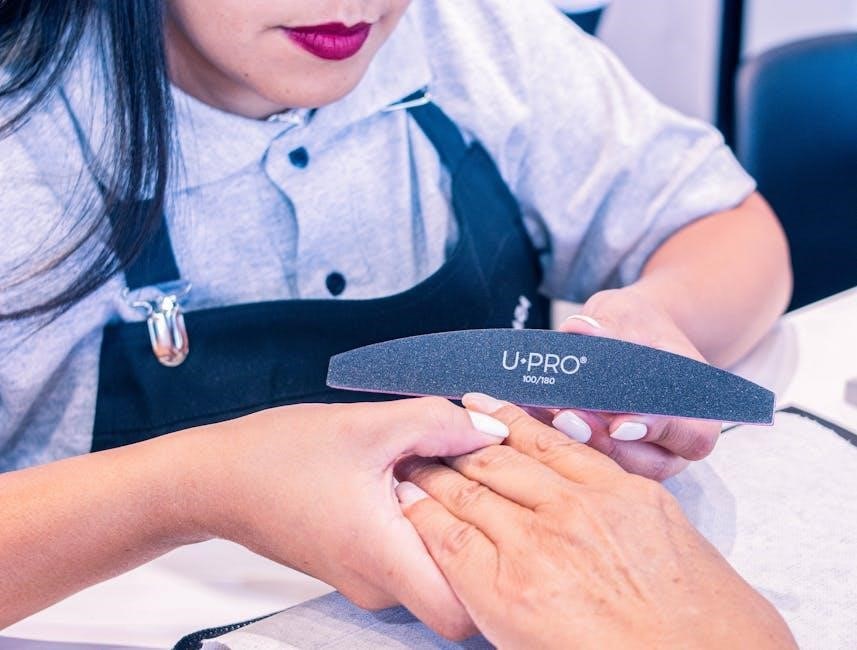
Filing the affected nail is a critical initial step in the Scholl Fungal Nail Treatment process, designed to enhance penetration and efficacy. Utilize a disposable nail file – this prevents the spread of infection. Gently file the surface of the nail to reduce its thickness and remove any debris or loose material.
The goal isn’t complete removal, but rather creating a slightly rough texture. This roughened surface allows the Scholl treatment to better access the fungal infection residing underneath the nail plate. File in one direction only; avoid a sawing motion, as this can cause splitting and further damage to the nail.
Continue filing until you’ve noticeably thinned the affected area and removed any flaky or discolored portions. This preparation maximizes the treatment’s contact with the fungus, improving its chances of success. Remember consistency is key throughout the treatment duration.
Step 2: Applying the Treatment
Following the nail preparation, carefully apply the Scholl Fungal Nail Treatment directly to the affected nail area. Ensure the nail is clean and dry before application for optimal results. Using the applicator provided, apply a generous amount of the solution, ensuring complete coverage of the entire infected nail surface and slightly beyond the visible edges.
Allow the solution to fully absorb into the nail, which typically takes several minutes. Avoid contact with surrounding skin, although minor contact isn’t usually harmful. It’s crucial to apply the treatment consistently, as directed, to maximize its effectiveness against the fungal infection.
Avoid applying nail polish or artificial nails during the treatment period, as these can hinder the solution’s penetration and potentially worsen the infection. Regular application, combined with proper nail hygiene, is vital for successful treatment.
Step 3: Post-Application Care
After applying the Scholl Fungal Nail Treatment, maintaining proper foot hygiene is paramount. Wear clean, breathable socks daily, preferably made of cotton or moisture-wicking materials, to minimize fungal growth. Avoid wearing the same pair of shoes two days in a row, allowing them to dry completely between uses.
Regularly disinfect shoes, especially those worn during activities where fungal exposure is likely, such as gym visits or swimming. Keep your feet dry, particularly between the toes, as moisture fosters fungal development. Avoid sharing personal items like nail clippers, files, or towels to prevent spreading the infection.
Continue practicing good nail hygiene, keeping nails trimmed short and straight. Consistent post-application care significantly enhances the treatment’s effectiveness and reduces the risk of reinfection.
Treatment Duration and Expectations
Expect a lengthy treatment timeline, as complete nail regeneration takes time; consistent application is key, and visible improvements may not appear immediately with Scholl’s treatment.
Typical Treatment Timeline
The duration of Scholl Fungal Nail Treatment varies significantly depending on the severity of the infection and how consistently the treatment is applied. Generally, noticeable improvements aren’t immediate, as it takes considerable time for a healthy nail to fully grow out and replace the infected portion.
Most users will need to commit to a treatment period spanning several months, often exceeding six months, and potentially extending to a year or more for severely affected nails. This is because nail growth is a slow process, particularly for toenails, which grow much slower than fingernails.
Initial signs of improvement, such as reduced discoloration or improved nail texture, might become visible within a few weeks to months. However, complete eradication of the fungus and full nail restoration require patience and adherence to the recommended application schedule. Consistent filing of the affected nail, as part of the treatment regimen, also contributes to the overall timeline by facilitating better penetration of the active ingredients.
What to Expect During Treatment
During Scholl Fungal Nail Treatment, patience is key, as visible results unfold gradually with consistent application. Initially, you might not observe dramatic changes, but continued use is crucial for the active ingredients to reach the infection site and work effectively. The affected nail may initially appear unchanged, or even slightly worse, as the treatment begins to break down the fungal structure.
As treatment progresses, you can anticipate gradual improvements in nail color and texture. The nail may become less brittle and exhibit reduced discoloration. However, remember that the entire infected nail won’t disappear immediately; healthy nail growth needs to replace the damaged portion, a slow process, especially for toenails.
Regular filing, as instructed, is essential to maintain treatment effectiveness. It’s also important to maintain good foot hygiene and prevent re-infection by avoiding shared footwear and damp environments. Any discomfort or minor irritation is usually temporary and should subside with continued use.
Potential Side Effects and Precautions
Common side effects are typically mild, involving temporary skin irritation around the treated area; consult a doctor if irritation persists or worsens significantly.
Common Side Effects
While Scholl Fungal Nail Treatment is generally well-tolerated, some individuals may experience minor side effects. The most frequently reported issue is mild skin irritation surrounding the application area. This often manifests as redness, a slight burning sensation, or itching. These symptoms are typically temporary and subside within a few days as the skin adjusts to the treatment.
Occasionally, users might notice a slight discoloration of the surrounding skin, which is also usually temporary. It’s important to note that these side effects don’t necessarily indicate an allergic reaction or treatment failure. However, if the irritation becomes severe, spreads beyond the immediate application site, or is accompanied by swelling or blistering, it’s crucial to discontinue use and seek medical advice.
Proper application, following the step-by-step instructions carefully, can minimize the risk of experiencing these common side effects. Ensuring the surrounding skin is dry before application and avoiding excessive pressure during the process are key preventative measures. Remember to always read and adhere to the product’s full safety guidelines.
When to Consult a Doctor
Despite Scholl Fungal Nail Treatment’s effectiveness for many, certain situations warrant a consultation with a healthcare professional. If the condition doesn’t show any improvement after several weeks of consistent, correct application, it’s essential to seek medical evaluation. This could indicate a more severe or resistant fungal infection requiring prescription-strength medication.
Furthermore, individuals with underlying health conditions, such as diabetes or compromised immune systems, should consult a doctor before starting any self-treatment for nail fungus. These conditions can affect healing and increase the risk of complications. Any signs of spreading infection – redness, swelling, pain extending beyond the nail – also necessitate immediate medical attention.
If you experience severe side effects, like intense burning, blistering, or allergic reactions, discontinue use and consult a doctor promptly. They can assess the situation, rule out other potential causes, and recommend the most appropriate course of action for your specific needs. Don’t hesitate to seek professional guidance for persistent or worsening symptoms.
Leave a Reply
You must be logged in to post a comment.