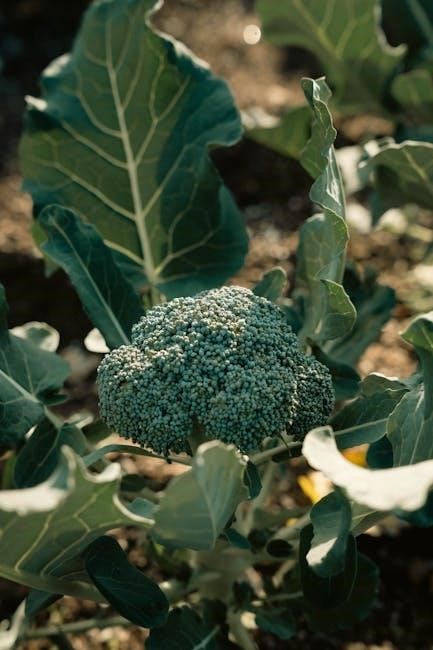
Navigating the diverse climates of Western Australia requires a tailored approach to vegetable gardening․ This guide offers insights into successful planting,
considering seasonal variations and local conditions for optimal yields․ Understanding question types and utilizing available resources are key to success․
Understanding Western Australia’s Climate Zones
Western Australia boasts a remarkably diverse range of climate zones, significantly impacting vegetable gardening strategies․ The state is broadly categorized into several key regions: the Mediterranean climate of the southwest, the arid interior, and the tropical north․ The southwest, encompassing Perth and surrounding areas, experiences hot, dry summers and mild, wet winters – ideal for many vegetable varieties with appropriate seasonal timing․
Further north, the Kimberley region experiences a monsoonal climate with distinct wet and dry seasons, demanding careful planning around rainfall patterns․ The arid interior presents unique challenges, requiring drought-tolerant varieties and efficient water management․ Understanding these zones is crucial; for instance, knowing when to ask a question about rainfall patterns or utilizing conversational AI tools for localized advice can greatly improve success․ Recognizing these differences allows gardeners to select appropriate vegetables and implement tailored growing techniques, maximizing yields and minimizing potential issues․
Soil Preparation for Vegetable Gardens in WA
Successful vegetable gardening in Western Australia begins with proper soil preparation․ WA soils are often sandy and nutrient-poor, requiring significant amendment․ Begin by clearing the garden area of weeds and debris․ A soil test is highly recommended to determine pH levels and nutrient deficiencies – understanding these factors is like answering a crucial question before starting a project․
Amend the soil generously with organic matter such as compost, well-rotted manure, or peat moss․ This improves water retention, drainage, and fertility․ Dig the amendments into the soil to a depth of at least 30cm․ Consider raised garden beds, particularly if drainage is poor․ Regularly check for instructions or attachments regarding soil composition․ Proper soil preparation provides a strong foundation for healthy plant growth, ensuring optimal yields and minimizing the need for fertilizers later on․
Best Vegetables to Grow in Western Australia
Western Australia’s climate allows for a diverse range of vegetable cultivation․ Selecting the right varieties is crucial for success․ Mediterranean-type climates favor heat-tolerant options․ Consider what questions you need answered about your specific microclimate․
Excellent choices include tomatoes, capsicums, eggplant, zucchini, and cucumbers during warmer months․ For cooler seasons, broccoli, cabbage, kale, spinach, lettuce, and peas thrive․ Root vegetables like carrots, potatoes, and beetroot also perform well․ When choosing, look for varieties specifically bred for Australian conditions․ Don’t be afraid to experiment! Observing what grows well in neighboring gardens can provide valuable insights․ Remember to check for any specific instructions or attachments related to variety selection for optimal results․
Cool Season Vegetables (April — September)
During the cooler months, from April to September, Western Australia’s milder temperatures are ideal for a variety of vegetables․ This period allows for successful growth without the intense heat of summer․ Consider the questions you have about soil preparation for these crops․
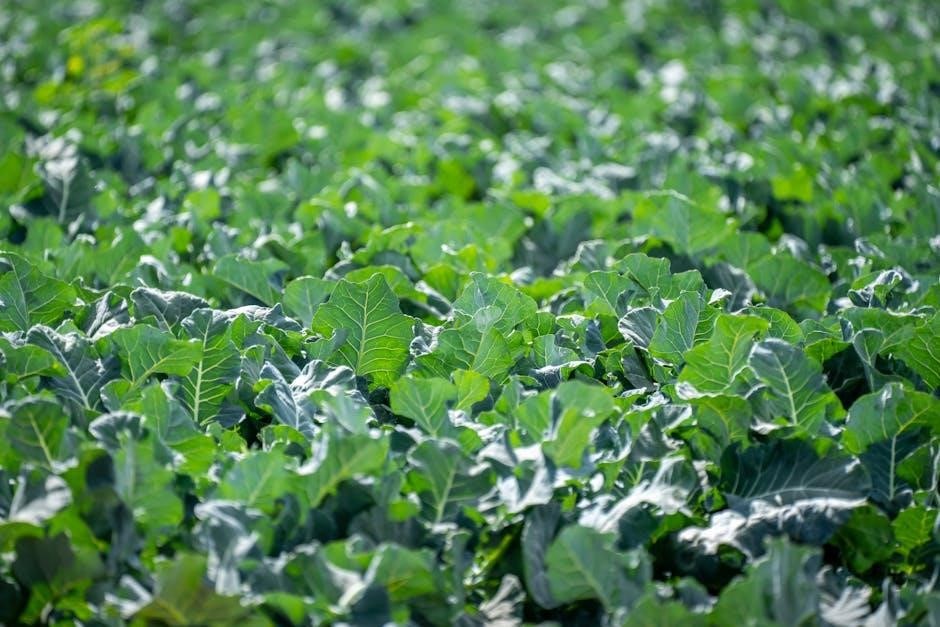
Leafy greens like lettuce, spinach, kale, and silverbeet flourish․ Root vegetables such as carrots, beetroot, radishes, and turnips also thrive when planted during this time․ Brassicas – broccoli, cabbage, cauliflower, and Brussels sprouts – benefit from the cooler conditions․ Peas and broad beans are excellent choices for autumn planting․ Remember to protect seedlings from potential frosts, especially in inland areas․ Utilizing raised garden beds can offer additional warmth and improved drainage․ Answering questions about your garden’s specific needs will maximize your harvest․
Warm Season Vegetables (October ー March)
As temperatures rise from October to March, Western Australia’s warmer climate supports a different range of vegetable crops․ This is the time to focus on heat-loving plants, but be mindful of WA’s strong sunlight and potential for drying winds․ Consider the questions you have about watering techniques․
Tomatoes, capsicums, eggplants, and chillies thrive in the warmth․ Cucumbers, zucchini, and pumpkins also flourish during these months․ Beans, corn, and melons require consistent warmth and plenty of sunshine․ It’s crucial to provide adequate water and consider shade cloth during the hottest periods․ Mulching heavily helps retain moisture and suppress weeds․ Remember to monitor for pests, as warm weather often encourages their activity․ Answering questions about pest control will help protect your harvest․
Planting Calendar for Western Australia
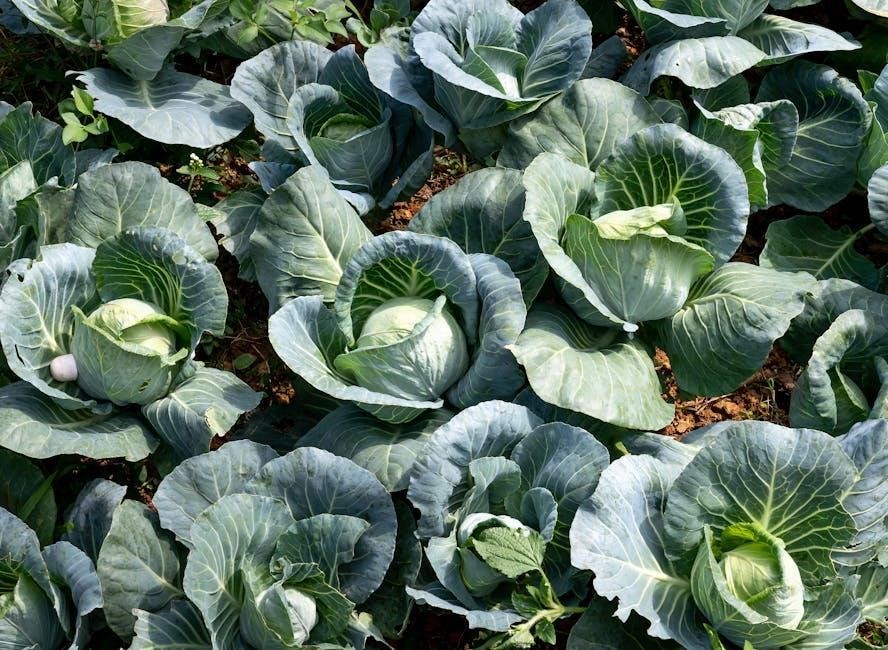
A successful vegetable garden in Western Australia hinges on timing․ October marks the start of warm-season planting – tomatoes, peppers, and beans can go in the ground․ November and December are ideal for cucumbers, zucchini, and melons․ January and February are suitable for a second planting of quick-growing crops like lettuce and radish․
Conversely, cool-season vegetables like broccoli, cabbage, and peas should be sown from April to June․ Root vegetables such as carrots and beets can be planted throughout autumn and winter․ Consider the questions surrounding seed starting versus transplanting․ March is a good time for planting garlic and onions․ This calendar is a guideline; microclimates within WA can influence optimal planting times․ Always check local conditions and adjust accordingly․
Seed Starting vs․ Transplanting
Deciding between seed starting and transplanting depends on the vegetable and your climate․ Seed starting indoors, 6-8 weeks before the last frost, extends the growing season for tomatoes, peppers, and eggplant․ This provides a head start, crucial in WA’s shorter growing periods․ However, it requires space, light, and careful monitoring․
Transplanting seedlings purchased from a nursery offers convenience, but limits variety․ Direct sowing, planting seeds directly into the garden, works well for root vegetables like carrots and beans․ Consider the questions of timing and space․ WA’s strong sunlight necessitates hardening off transplants – gradually exposing them to outdoor conditions – to prevent shock․ Both methods have merits; choose based on your experience, resources, and the specific vegetable’s needs․
Watering Techniques for WA Vegetable Gardens
Western Australia’s hot, dry summers demand efficient watering strategies․ Deep, infrequent watering encourages deep root growth, making plants more resilient․ Avoid frequent, shallow watering, which promotes surface roots vulnerable to drought․ Drip irrigation and soaker hoses deliver water directly to the roots, minimizing evaporation and leaf wetness – reducing disease risk․
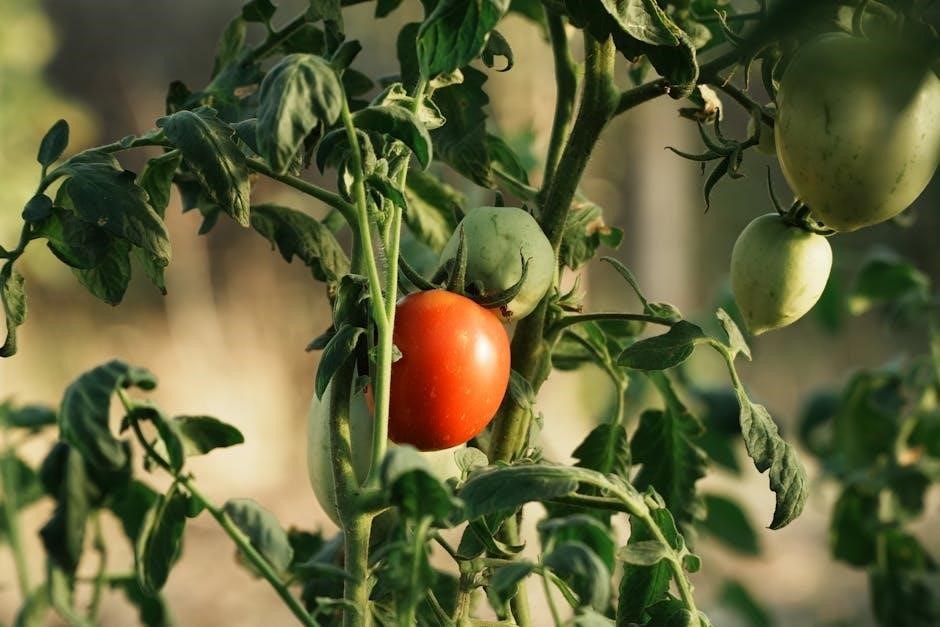
Mulching heavily with organic matter like straw or wood chips conserves moisture and suppresses weeds․ Water early in the morning to minimize evaporation․ Monitor soil moisture levels regularly; stick your finger a few inches into the soil to assess․ Consider rainwater harvesting to supplement water supply․ Answering the question of water needs is crucial for thriving gardens in WA’s challenging climate․
Dealing with Pests and Diseases
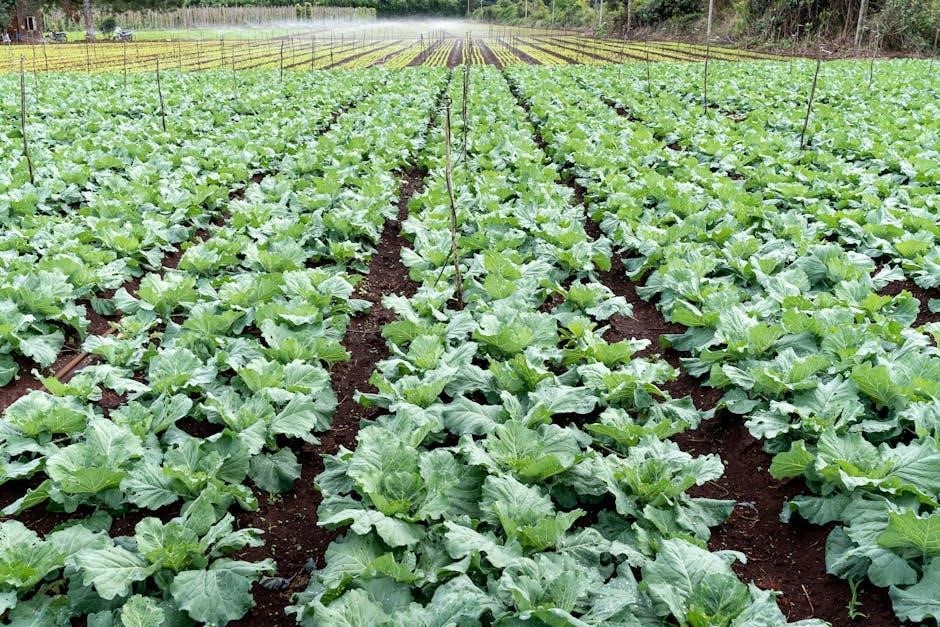
Western Australian vegetable gardens face challenges from various pests and diseases․ Common culprits include aphids, whiteflies, caterpillars, and fungal diseases like powdery mildew․ Regular garden inspection is vital for early detection․ Addressing issues promptly prevents widespread infestations or infections․
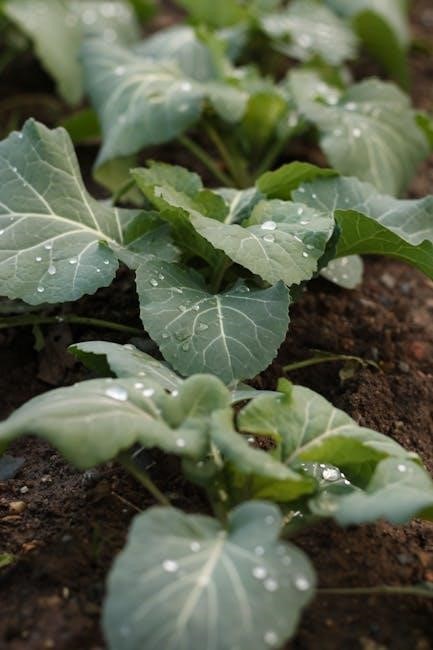
Integrated Pest Management (IPM) is recommended – a holistic approach prioritizing prevention․ Encourage beneficial insects like ladybugs and lacewings, which prey on pests․ Crop rotation disrupts pest life cycles․ Ensure good air circulation to minimize fungal diseases․ When intervention is necessary, opt for organic pest control methods like neem oil or insecticidal soap․ Answering the question of pest control effectively safeguards your harvest․
Common Pests in WA Vegetable Gardens
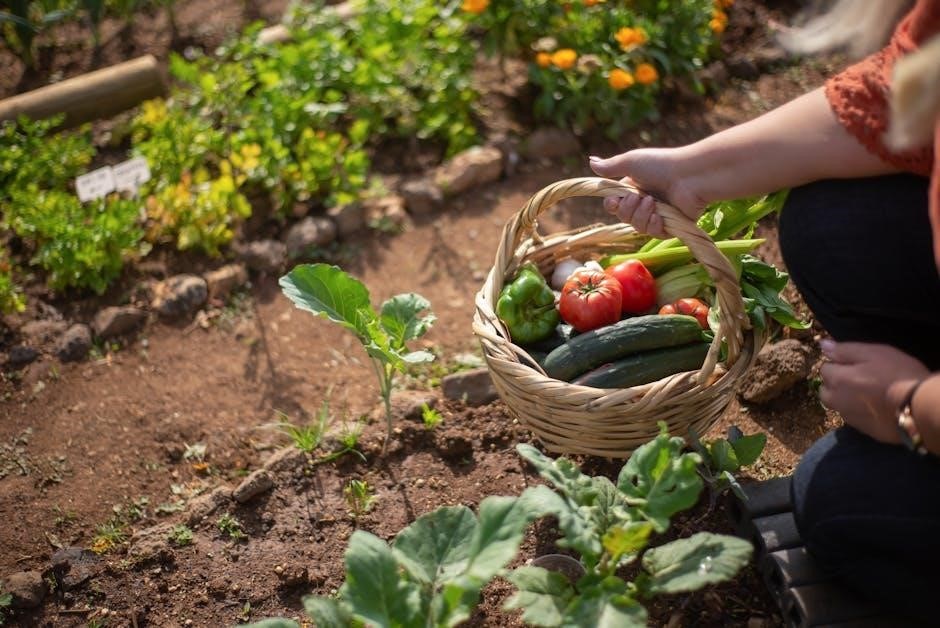
Western Australia’s warm climate fosters a range of vegetable garden pests․ Aphids are prevalent, sucking sap from leaves and distorting growth, often clustering on new shoots․ Whiteflies, similar in habit, are also common․ Caterpillars, particularly cabbage white butterfly larvae, can decimate brassica crops like broccoli and cabbage․
Other frequent offenders include slugs and snails, thriving in damp conditions and damaging foliage․ Fruit flies target ripening tomatoes, peppers, and other fruits․ Spider mites, tiny pests, cause stippling on leaves․ Identifying these pests correctly is the first step towards effective control․ Regularly inspecting plants, especially undersides of leaves, helps detect infestations early․ Addressing these issues promptly is key to a healthy garden, answering the need for protection․
Organic Pest Control Methods
Prioritizing organic methods protects beneficial insects and maintains garden health․ Companion planting, like marigolds near tomatoes, deters pests․ Introducing beneficial insects, such as ladybugs (aphid predators) and lacewings, provides natural control․ Handpicking caterpillars and removing infested leaves are effective for smaller gardens․
Barriers like netting prevent fruit fly access, while copper tape deters slugs and snails․ Neem oil, a natural insecticide, controls various pests․ Diatomaceous earth, sprinkled around plants, dehydrates crawling insects․ Regularly rotating crops disrupts pest life cycles․ Creating a healthy garden ecosystem, with diverse plants and good soil, enhances natural resilience, answering the call for sustainable practices․ Remember to always identify the pest before applying any treatment, even organic ones․
Fertilizing Your Vegetable Garden
Western Australian soils often benefit from amendments, as nutrients can leach quickly․ Compost is a fantastic all-rounder, improving soil structure and providing slow-release nutrients․ Well-rotted manure adds organic matter and essential elements, but use cautiously to avoid burning plants․
Specific vegetable needs vary; leafy greens require nitrogen, while fruiting vegetables need phosphorus and potassium․ Liquid seaweed extract provides trace minerals and boosts plant health․ Consider using blood and bone meal for phosphorus, and wood ash (sparingly) for potassium․ Regularly test your soil pH to ensure optimal nutrient uptake․ Avoid over-fertilizing, as this can harm plants and pollute waterways․ Understanding your soil and plant requirements is key to successful fertilization․
Specific Vegetable Growing Guides
Tailoring your approach to individual vegetables is crucial for success in Western Australia․ Tomatoes thrive with full sun, staking, and consistent watering, benefiting from phosphorus-rich fertilizer․ Broccoli prefers cooler temperatures and well-drained soil, requiring regular feeding to support head development․
Lettuce grows best in partial shade, especially during warmer months, and needs consistent moisture to prevent bolting․ Consider companion planting to deter pests and improve growth․ Regularly check plants for signs of nutrient deficiencies or disease․ Utilizing specific guides ensures optimal conditions for each vegetable, maximizing yields and minimizing problems․ Remember to adapt techniques based on your microclimate and soil type․
Tomatoes in Western Australia
Tomatoes flourish in Western Australia’s warm summers, but require careful management․ Start seeds indoors 6-8 weeks before the last frost, or purchase established seedlings․ Choose a sunny location with at least six hours of direct sunlight daily․ Soil should be rich, well-drained, and amended with compost․
Staking or caging is essential for support, preventing fruit from touching the ground and reducing disease risk․ Water deeply and consistently, avoiding wetting the foliage․ Fertilize regularly with a tomato-specific fertilizer, rich in phosphorus and potassium․ Monitor for common pests like whiteflies and aphids, employing organic control methods when possible․ Prune suckers to encourage fruit development and improve air circulation․ Harvesting begins when fruits are fully colored and slightly soft to the touch․
Broccoli in Western Australia
Broccoli thrives in the cooler months of Western Australia, ideally planted from April to September․ Begin seeds indoors 4-6 weeks before transplanting, or directly sow seeds into well-prepared garden beds․ Ensure the soil is fertile, rich in organic matter, and consistently moist․ Broccoli is a heavy feeder, so amending with compost and manure is crucial․
Consistent watering is vital, especially during head development․ Protect plants from cabbage white butterflies with netting or companion planting․ Fertilize regularly with a nitrogen-rich fertilizer to promote healthy growth․ Harvest the main head when the buds are firm and tightly closed, before they begin to flower․ Side shoots will often develop after the main head is cut, providing a second harvest․ Monitor for pests and diseases, addressing issues promptly․
Lettuce in Western Australia
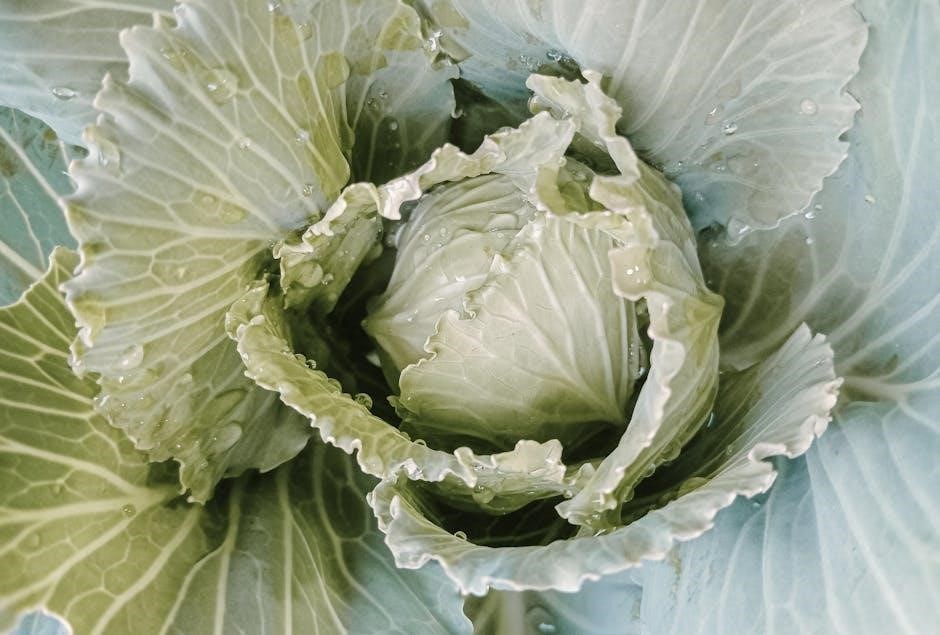
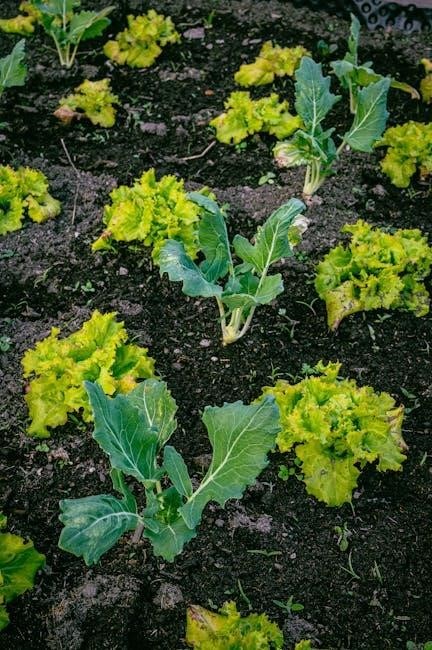
Lettuce is a cool-season crop well-suited to Western Australia’s milder months, flourishing from April through to October․ Sow seeds directly into the garden or start them indoors for an earlier harvest․ Choose a location with partial shade, particularly during warmer spells, to prevent bolting – premature flowering that affects leaf quality․ Consistent moisture is key; ensure the soil remains evenly damp, but not waterlogged․
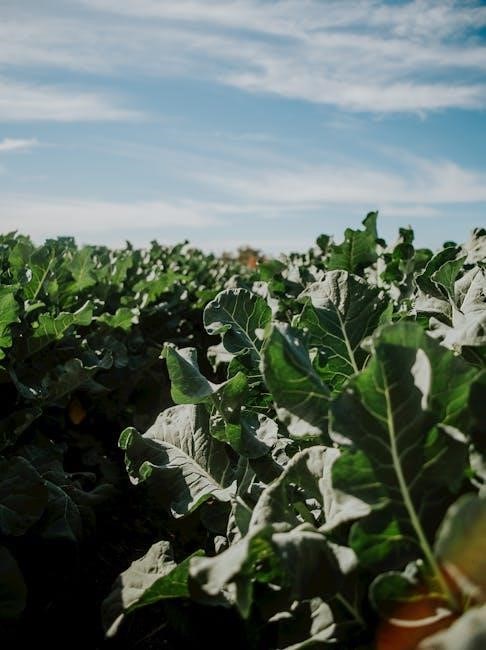
Regular feeding with a balanced liquid fertilizer will encourage rapid growth and crisp leaves․ Different lettuce varieties offer diverse textures and colours․ Succession planting – sowing seeds every few weeks – ensures a continuous supply․ Watch out for slugs and snails, employing organic control methods like beer traps or copper tape․ Harvest outer leaves as needed, or cut the entire head when it reaches desired size․
Companion Planting for Increased Yields
Companion planting leverages beneficial relationships between plants to enhance growth, deter pests, and improve overall garden health in Western Australia․ For example, planting marigolds alongside tomatoes repels nematodes and other harmful insects․ Basil improves tomato flavour and deters whiteflies․ Carrots and onions are excellent companions, with onions repelling carrot root flies and carrots deterring onion flies․
Legumes, like beans and peas, fix nitrogen in the soil, benefiting nitrogen-hungry plants like broccoli and lettuce․ Avoid planting fennel near most vegetables, as it inhibits growth․ Consider planting dill near cabbage to attract beneficial insects․ Rotating crops annually, alongside companion planting, further improves soil health and reduces pest build-up․ Careful planning maximizes space and creates a thriving, self-sustaining garden ecosystem․
Harvesting Your Vegetables
Successful harvesting in Western Australia depends on understanding each vegetable’s maturity signs․ Tomatoes are best picked when fully coloured and slightly soft to the touch․ Broccoli should be harvested before the florets open, ensuring tender stalks․ Lettuce can be harvested leaf by leaf, or the entire head when firm․ Regular harvesting encourages continued production․
Root vegetables like carrots and potatoes benefit from being lifted as needed, rather than storing for extended periods in WA’s warm climate․ Harvesting during cooler parts of the day minimizes stress on the plants․ Promptly remove any overripe or diseased produce to prevent spreading․ Knowing when to harvest ensures peak flavour and quality, maximizing your garden’s bounty․ Consider preserving excess produce through freezing, canning, or drying․
Dealing with WA’s Strong Sunlight
Western Australia’s intense sunlight presents unique challenges for vegetable gardens․ Young seedlings are particularly vulnerable to scorching and require shade cloth protection, especially during peak summer months․ Utilizing companion planting with taller vegetables can provide natural shade for more sensitive crops like lettuce․ Consider orienting garden rows north-south to maximize even light distribution․
Mulching heavily with organic materials like straw or wood chips helps retain soil moisture and moderates soil temperature, reducing heat stress on roots․ Whitewashing greenhouse or tunnel coverings can diffuse sunlight․ Monitoring plants for signs of sun stress – wilting, leaf burn – is crucial․ Providing adequate water is paramount, as sunlight increases transpiration rates․ Selecting heat-tolerant vegetable varieties is also a proactive strategy․
Choosing the Right Location for Your Garden
Selecting the ideal location is fundamental for a thriving vegetable garden in Western Australia․ Prioritize a spot receiving at least six to eight hours of direct sunlight daily, crucial for optimal growth and yield․ Good drainage is essential; avoid areas prone to waterlogging, which can lead to root rot․ Consider proximity to a water source for convenient irrigation․
Shelter from strong winds, common in many WA regions, is beneficial․ Existing structures or strategically planted windbreaks can offer protection․ Observe the area throughout the day to assess sunlight patterns and wind exposure․ Soil quality is paramount; well-drained, fertile soil is ideal․ If your existing soil is poor, amending it with compost and organic matter is highly recommended․ Accessibility for tending and harvesting is also a key factor․
Utilizing Raised Garden Beds
Raised garden beds offer significant advantages for vegetable gardening in Western Australia, particularly addressing common soil challenges․ They improve drainage, crucial in areas with heavy clay soils, and allow for greater control over soil composition․ Constructing beds from timber, brick, or recycled materials provides a defined growing space․
Filling raised beds with a quality soil mix – a blend of topsoil, compost, and organic matter – creates an ideal growing medium․ This is especially beneficial where native soils are sandy or nutrient-poor․ Raised beds warm up faster in spring, extending the growing season․ They also reduce soil compaction from foot traffic and make gardening more accessible for individuals with mobility limitations․ Consider bed height for comfortable working; 30-45cm is generally recommended․
Water Conservation Strategies
Western Australia’s climate demands mindful water usage in vegetable gardens․ Implementing effective conservation strategies is essential for sustainable gardening․ Mulching heavily with straw, wood chips, or leaves significantly reduces evaporation from the soil surface, retaining moisture around plant roots․ Drip irrigation delivers water directly to the root zone, minimizing waste compared to overhead sprinklers․
Grouping plants with similar water needs – a technique known as hydrozoning – optimizes irrigation efficiency․ Water deeply and less frequently, encouraging deep root growth and increasing drought tolerance․ Collect rainwater in tanks for use in the garden, reducing reliance on mains water․ Consider using greywater (from showers and sinks) if permitted and appropriately filtered․ Monitor soil moisture levels regularly to avoid overwatering․
Resources for WA Gardeners
Western Australia boasts a wealth of resources to support successful vegetable gardening․ The Department of Primary Industries and Regional Development (DPIRD) website provides comprehensive information on growing seasons, soil types, and pest control specific to WA conditions․ Local nurseries offer expert advice tailored to your region and climate, alongside quality seedlings and supplies․
Numerous gardening clubs throughout WA provide opportunities to learn from experienced gardeners, share knowledge, and participate in workshops․ Online forums and social media groups dedicated to WA gardening connect enthusiasts and facilitate the exchange of tips and advice․ Consider attending workshops offered by TAFE colleges or community organizations focusing on sustainable gardening practices․ Websites like ‘Answers’ can also help locate specific information and solutions to gardening challenges․
Leave a Reply
You must be logged in to post a comment.