File Guide for Knife Making: A Comprehensive Plan
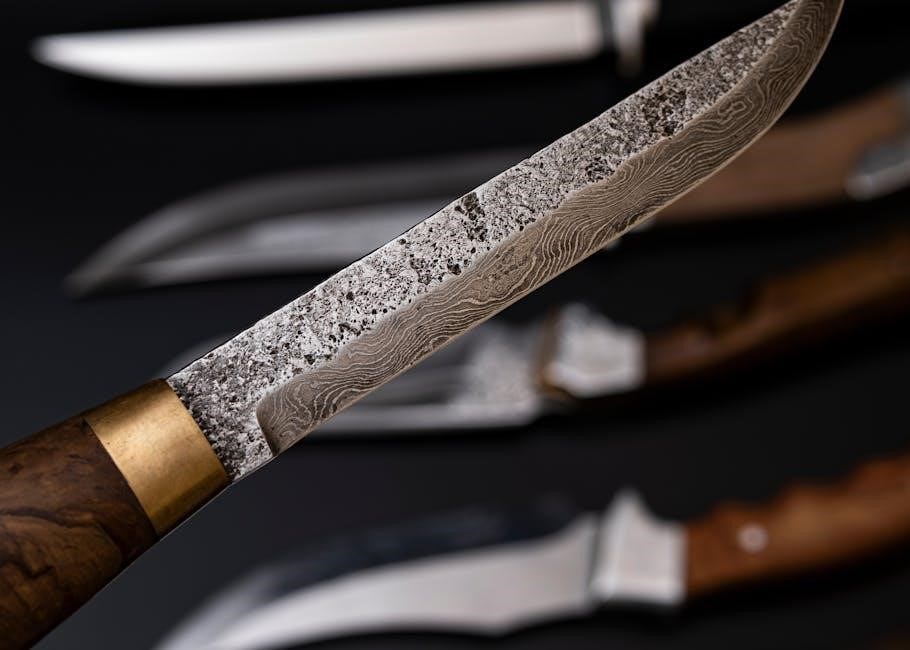
Navigating knife creation demands precise filing; this guide details file selection‚ techniques‚ maintenance‚ and even utilizing files as steel sources for optimal results.
Filing is a cornerstone of knifemaking‚ transforming raw stock into functional blades. It’s a subtractive process‚ demanding patience and skill to shape steel accurately. Mastering filing techniques – from rough shaping to fine finishing – is crucial; Different file types excel at specific tasks‚ requiring a diverse collection. Understanding file cuts and geometry unlocks precision‚ enabling intricate designs and flawless execution. This guide will illuminate the path to proficient filing.
The Importance of File Selection
Choosing the correct file dramatically impacts efficiency and finish quality. A coarse file rapidly removes material‚ while a fine file refines surfaces. Selecting files with appropriate tooth patterns – double cut for speed‚ single cut for precision – is vital. Sturdier teeth resist shelling‚ crucial for harder steels. Considering file length and shape ensures access to all areas of the blade‚ optimizing workflow and results.
Types of Files Used in Knife Making
Knife making utilizes diverse file types for specific tasks. Flat files shape general surfaces‚ half-round files contour curves‚ and square files define corners and slots. Round files create hollows‚ while mill files excel in draw filing for fine work. Needle files address intricate details. Each file’s geometry and cut contribute to precise shaping and finishing‚ demanding a varied collection.
Flat Files: For General Shaping
Flat files are foundational for initial knife shaping. Commonly 10-12 inches long for substantial stock removal‚ they efficiently flatten surfaces and establish basic blade profiles. A coarser cut accelerates material removal‚ while finer cuts refine the form. Pillar files‚ a flat file variant‚ offer rigidity‚ preventing distortion during heavy filing operations‚ ensuring accuracy.
Half-Round Files: Contouring and Curves
Half-round files excel at creating graceful curves and contours on knife blades and handles. Their unique shape allows access to both flat and curved surfaces‚ ideal for shaping the spine or refining handle scales. Bastard cuts‚ with sturdier teeth‚ resist shelling‚ maintaining form during aggressive shaping‚ while finer cuts smooth transitions.
Square Files: Precise Corners and Slots
Square files are indispensable for creating sharp‚ defined corners and accurately sized slots in knife blades and tangs. They efficiently enlarge existing square holes or establish new ones‚ crucial for guard fitting or full tang construction. Their geometry ensures clean‚ precise work‚ vital for functional and aesthetically pleasing knife designs.
Round Files: Creating Curves and Hollows
Round files excel at forming concave curves‚ radiuses‚ and hollow grinds essential for knife ergonomics and aesthetics. They’re perfect for shaping finger choils‚ ricassos‚ or refining the curves of a blade’s spine. Utilizing varying diameters allows for diverse shaping possibilities‚ contributing to a comfortable and functional grip.
Mill Files: Draw Filing and Fine Work
Mill files are indispensable for draw filing‚ achieving exceptionally flat surfaces crucial for blade geometry and heat treatment contact. Their steep tooth pattern efficiently shears material‚ leaving a smooth finish. Ideal for precise adjustments and final refinement‚ they ensure consistent thickness and prepare surfaces for polishing‚ enhancing the knife’s overall quality.
Understanding File Cut
File cut dictates material removal rate and finish quality. Double-cut files‚ with intersecting rows of teeth‚ excel at rapid stock removal‚ ideal for initial shaping. Conversely‚ single-cut files possess parallel teeth‚ delivering a smoother finish perfect for draw filing and fine adjustments. Selecting the appropriate cut is vital for efficient and precise knife making.
Double Cut Files: Rapid Material Removal
These files feature a criss-cross tooth pattern‚ aggressively removing material. Ideal for quickly shaping blade profiles and tackling substantial stock reduction‚ double-cut files are a knifemaker’s workhorse. However‚ they leave a coarser finish‚ necessitating follow-up work with finer files for a polished‚ refined surface.

Single Cut Files: Fine Finishing and Draw Filing
Characterized by parallel lines of teeth‚ single-cut files excel at producing smooth‚ refined surfaces. They are paramount for draw filing – creating flat‚ precise areas – and achieving a high-quality finish. Their gentler action minimizes chatter and is crucial for delicate work‚ demanding patience and precision.
File Geometry and Dimensions
Selecting the correct file size and tooth pattern is vital for efficient knife making. Length impacts reach and control; longer files suit larger surfaces. Tooth pitch—the spacing between teeth—determines cutting speed and finish. Understanding these geometric aspects ensures optimal material removal and precision shaping throughout the crafting process.
File Length: Choosing the Right Size
File length directly influences control and accessibility during knife making. A 10-12 inch flat pillar file excels with heavier stock removal‚ while shorter files offer maneuverability for detailed work. Consider the blade’s size and complexity; longer files cover broad areas‚ shorter ones access tight spaces effectively.
File Tooth Pattern and Pitch
Tooth pattern and pitch dictate filing speed and finish quality. Double-cut files‚ with intersecting rows‚ remove material rapidly‚ ideal for initial shaping. Single-cut files‚ featuring parallel lines‚ produce smoother finishes for draw filing and refinement. A steeper tooth pitch excels at shearing‚ while finer pitches create polished surfaces.
Using File Guides for Accuracy
File guides are crucial for consistent angles and straight lines during knife making. Available options range from commercially produced hardened steel guides to resourceful homemade solutions. These tools ensure precise shoulder filing and profiling‚ minimizing errors and maximizing control. Investing in or crafting guides elevates the quality and repeatability of your work.
Types of File Guides Available
Commercial file guides come in various designs‚ often featuring hardened steel construction for durability. Options include adjustable guides for different blade angles and fixed guides for specific tasks like shoulder filing. Some guides accommodate multiple file sizes‚ enhancing versatility. These pre-made solutions offer convenience and precision‚ streamlining the filing process for knife makers.
Homemade File Guide Options
Crafting file guides is achievable with basic materials; wood‚ metal‚ or even sturdy plastic can be shaped to create functional guides. Utilizing existing angles or creating jigs with adjustable stops allows for consistent filing. While requiring more effort‚ homemade guides offer customization and cost savings‚ perfectly tailored to specific knife-making needs.
Filing Techniques for Knife Blades
Mastering blade shaping requires varied filing approaches. Draw filing establishes flat surfaces‚ utilizing the file’s length for even material removal. Shoulder filing defines distinct areas‚ demanding control and precision. Profiling involves carefully shaping the blade’s outline‚ guided by templates or freehand skill‚ achieving the desired aesthetic and functionality.
Draw Filing: Achieving Flat Surfaces
Draw filing excels at creating perfectly flat surfaces on knife blades. Employing a mill file – with steeper teeth – ensures efficient shearing. Utilize long‚ even strokes‚ applying pressure on the push stroke and lifting on the return. This technique minimizes scratches and delivers a consistently level finish‚ crucial for blade geometry.
Shoulder Filing: Creating Defined Shoulders
Precise shoulder creation is vital for a professional knife finish. Utilize a flat pillar file‚ 10-12 inches long‚ for heavier stock removal. Employ file guides for accuracy‚ ensuring a consistent angle. Gradual filing‚ combined with frequent checks‚ prevents over-filing. A second‚ finer cut file refines the shoulder‚ achieving crisp‚ clean lines.
Profiling the Blade: Shaping the Outline
Blade profiling demands careful file work to achieve the desired shape. Begin with a coarser double-cut file for rapid material removal‚ following your marked outline. Transition to a single-cut file for smoother curves and refined edges. Consistent filing angles and frequent checks against templates ensure symmetry and accuracy throughout the process.
Filing Tangs and Handles
Precise tang and handle shaping are crucial for a secure and comfortable grip. Utilize flat and half-round files to refine the tang’s dimensions‚ ensuring a snug fit within the handle scales. Carefully shape the scales themselves with files‚ blending them seamlessly with the tang for a polished‚ ergonomic finish.

Filing the Knife Tang
The tang requires meticulous filing for proper handle fit. Employ flat files to establish consistent width and thickness‚ ensuring it aligns perfectly with the handle scales. Refine the tang’s shape‚ removing any sharp edges or imperfections. Precise filing prevents handle wobble and guarantees a robust‚ lasting connection.
Shaping Handle Scales with Files
Handle scales demand careful contouring for ergonomic comfort. Utilize half-round and flat files to achieve desired shapes‚ gradually refining the curves and edges. Consistent filing ensures symmetrical scales‚ promoting a balanced grip. Pay attention to transitions‚ blending the scales seamlessly with the tang and bolster for a refined finish.
Maintaining Your Files
Proper file care extends their lifespan and performance; Regularly clean files with a wire brush to remove metal filings and prevent rust. A light coat of oil safeguards against corrosion. Dressing files with a file card restores cutting efficiency by removing debris lodged between teeth‚ ensuring consistently sharp and effective filing action.
Cleaning and Rust Prevention
Consistent cleaning is vital for file longevity. After each use‚ thoroughly brush away metal particles with a stiff wire brush. Apply a light oil coating – mineral oil works well – to prevent rust formation. Store files in a dry environment; humidity accelerates corrosion‚ diminishing their cutting ability and overall usefulness.
Dressing Files: Restoring Cutting Efficiency
File dressing revitalizes dulled teeth‚ maintaining optimal performance. Utilize a file card – a specialized brush with hardened steel bristles – to remove embedded metal filings. Regular carding prevents glazing and clogging‚ ensuring efficient material removal. A properly dressed file cuts faster and cleaner‚ reducing effort and improving finish quality.
Files as Knife Steel Source
High-carbon tool steel files offer a resourceful material for smaller knife projects. Nicholson and Simmonds files are frequently cited for their suitability. Tempering is crucial; heat to a straw color‚ then quench‚ repeating as needed for desired hardness. Grinding to shape follows‚ transforming the file into a functional blade‚ offering a unique forging alternative.
Identifying Suitable Files for Steel
Most files are constructed from high-carbon tool steel‚ making them viable for knife making‚ particularly for smaller blades. Look for files with a noticeable hardness and consistent composition. Avoid files with significant wear or damage. Older files often possess superior steel quality compared to some modern alternatives‚ offering excellent potential.
Tempering Files for Knife Making
Tempering file steel involves heating it to a specific temperature‚ then cooling it to reduce brittleness and increase toughness. Typically‚ files are heated to a straw color‚ then quenched in oil. This process refines the steel’s properties for blade use‚ balancing hardness with flexibility‚ crucial for a functional and durable knife.
Advanced Filing Techniques
Mastering cross filing versus straight filing refines blade geometry‚ offering nuanced control over material removal. Utilizing “file rashes”—the fine debris created—acts as a polishing compound‚ aiding in shaping. These techniques demand practice‚ yielding superior surface finishes and precise forms beyond basic filing methods for experienced knifemakers.
Cross Filing vs. Straight Filing
Straight filing follows the grain‚ removing material efficiently but potentially leaving visible scratches. Cross filing‚ at a 45-degree angle‚ minimizes scratching and promotes a smoother surface. However‚ it’s slower. Combining both methods offers balance – initial rapid removal with straight filing‚ followed by refinement using cross filing techniques.
Using File Rashes for Shaping
“File rash” – the tiny metal shavings – reveals filing progress and highlights high spots. Carefully observing the rash’s color and distribution guides further filing. Consistent rash indicates even removal‚ while variations signal areas needing more attention. Utilize this visual feedback to refine blade geometry and achieve precise shaping during knife construction.
Safety Precautions When Filing
Prioritize safety during filing operations! Always wear appropriate eye protection to shield against flying metal particles. A dust mask is crucial to prevent inhalation of harmful filings. Maintain a stable stance and firm grip on the file‚ controlling its movement. Avoid excessive force‚ and secure your workpiece firmly to prevent slipping.
Eye Protection and Dust Masks
Protecting your eyes and lungs is paramount. Metal filings generated during filing are hazardous projectiles; safety glasses or a face shield are essential. Inhaling these particles can cause respiratory issues‚ making a properly fitted dust mask non-negotiable. Prioritize these safeguards for a healthy and productive workflow.
Proper Grip and Stance
Maintain control and stability during filing. A firm‚ yet relaxed grip on the file handle is crucial. Position your body to leverage your weight‚ not just arm strength. A stable stance‚ with feet shoulder-width apart‚ prevents fatigue and ensures accurate‚ consistent filing strokes for optimal blade shaping.
Choosing Quality Files: Brands and Materials
Selecting reputable brands ensures durability and performance. Nicholson files are highly regarded for their consistent quality and variety‚ while Simmonds files offer robust construction. Files are typically crafted from high-carbon tool steel‚ providing hardness and wear resistance essential for demanding knife-making tasks. Prioritize quality for lasting results.
Nicholson Files
Nicholson consistently delivers high-quality files favored by knifemakers. Their extensive range includes various cuts and shapes‚ catering to diverse needs. Known for reliable performance and consistent tooth patterns‚ Nicholson files excel in both rough shaping and fine finishing. Many makers successfully utilize Nicholson files as a steel source‚ tempering them for blades.
Simmonds Files
Simmonds files represent another excellent choice for knifemakers‚ often mentioned alongside Nicholson as a preferred brand. Experienced artisans have crafted successful knives from Simmonds files‚ employing tempering processes to achieve desired blade characteristics. Their durability and consistent quality make them suitable for various filing tasks‚ from initial shaping to detailed finishing work.
File Sets for Knife Makers
A well-curated file set is crucial for any knife maker‚ offering versatility across all stages of blade creation. Essential components include a coarse double-cut file for rapid material removal‚ a smoother single-cut for refining surfaces‚ and a mill file for draw filing. Expanding beyond this base allows tackling diverse tasks efficiently.
Essential File Set Components
Beginners should prioritize a foundational set‚ including a 10-12 inch flat pillar file for stock removal‚ alongside a second in a finer cut for draw filing precision. A half-round bastard file handles contours‚ while a square file addresses slots and corners. Needle files offer detail work capabilities‚ completing a versatile starting point.
Expanding Your File Collection
As skills advance‚ diversify your files; consider adding mill files for draw filing and fine work‚ round files for curves‚ and taper files for internal shaping. Explore specialized options like chainsaw or warding files for unique tasks. Building a comprehensive collection ensures tackling any knife-making challenge with precision and efficiency.
Troubleshooting Common Filing Issues
File glazing‚ caused by debris‚ reduces cutting ability; clean frequently! Clogging necessitates brushing with a file card. Uneven filing or chatter indicates dull teeth or improper technique – dress the file or adjust pressure. Addressing these issues promptly maintains efficiency and prevents damage to both file and workpiece.
File Glazing and Clogging
File glazing occurs when metal particles embed within the teeth‚ creating a polished‚ ineffective surface. Clogging happens with accumulated filings. Regularly brush your files with a file card to remove debris and restore cutting action. A clean file ensures efficient material removal and prevents scratching your knife steel.
Uneven Filing and Chatter
Uneven filing‚ often manifesting as chatter‚ stems from inconsistent pressure‚ a dull file‚ or improper technique. Ensure a firm‚ even stroke and maintain consistent contact. A sharp file is crucial; dress it regularly. Using a file guide can dramatically improve accuracy and minimize unwanted vibrations during the shaping process.
Resources for Further Learning
Expand your knowledge beyond this guide! Online knife-making forums and communities offer invaluable peer support and shared expertise. Numerous books and tutorials delve deeper into filing techniques and blade smithing. Explore these resources to refine your skills‚ discover advanced methods‚ and connect with fellow artisans.
Online Forums and Communities
Connect with experienced knife makers online! These platforms provide a space to ask questions‚ share projects‚ and receive constructive criticism. Active communities foster learning through discussions on filing techniques‚ steel selection‚ and blade geometry. Benefit from collective knowledge and stay updated on industry best practices.
Books and Tutorials on Knife Making
Deepen your understanding with dedicated resources! Comprehensive books detail filing methods‚ from draw filing with mill files to shaping curves with half-round files. Online tutorials offer visual guidance‚ demonstrating proper grip‚ stance‚ and file selection for various tasks. These resources build a strong foundation for precision work.
Leave a Reply
You must be logged in to post a comment.