Overview of the 2023 Jewish Calendar PDF
The 2023 Jewish Calendar PDF‚ available from Hebcal‚ lists diaspora dates for holidays‚ festivals‚ and weekly Torah portions․ Download the file via the official link‚ which reflects the current Hebrew year and aligns with Gregorian dates for 2023․ It also offers a printable layout with Gregorian dates․
Definition and Structure of the Jewish Calendar
The Jewish calendar is a lunisolar system that synchronizes lunar months with the solar year․ Each month begins with the new moon‚ and the calendar contains 12 months in a common year and 13 months in a leap year‚ the latter adding a second Adar II․ The months are named Tishrei‚ Cheshvan‚ Kislev‚ Tevet‚ Shevat‚ Adar‚ Nisan‚ Iyar‚ Sivan‚ Tammuz‚ Av‚ and Elul‚ with the leap‑year months Adar I and Adar II inserted after Shevat․ The year length alternates between 353‚ 354‚ or 355 days in common years and 383‚ 384‚ or 385 days in leap years‚ depending on the placement of the 29‑or 30‑day months․ The calculation of the molad (mean lunar conjunction) is central to determining the start of each month‚ while the fixed postponement rules (Lo ADU Rosh‚ Lo ADU Yom Kippur‚ and the Rosh Hashanah postponement) ensure that Rosh Hashanah never falls on Sunday‚ Wednesday‚ or Friday‚ and that Yom Kippur never occurs on a Sunday‚ Wednesday‚ or Friday․ The calendar’s precision allows for accurate scheduling of religious observances‚ agricultural cycles‚ and community events across the global Jewish diaspora․ Additionally‚ the calendar is used to determine the appropriate times for daily prayers‚ the reading of the weekly Torah portion‚ and the calculation of the Hebrew year’s length‚ ensuring that all observances remain in harmony with both lunar and solar cycles․ Scholars and software developers rely on the precise rules encoded in the calendar to generate accurate dates for events worldwide․
Key Holidays and Observances in 2023
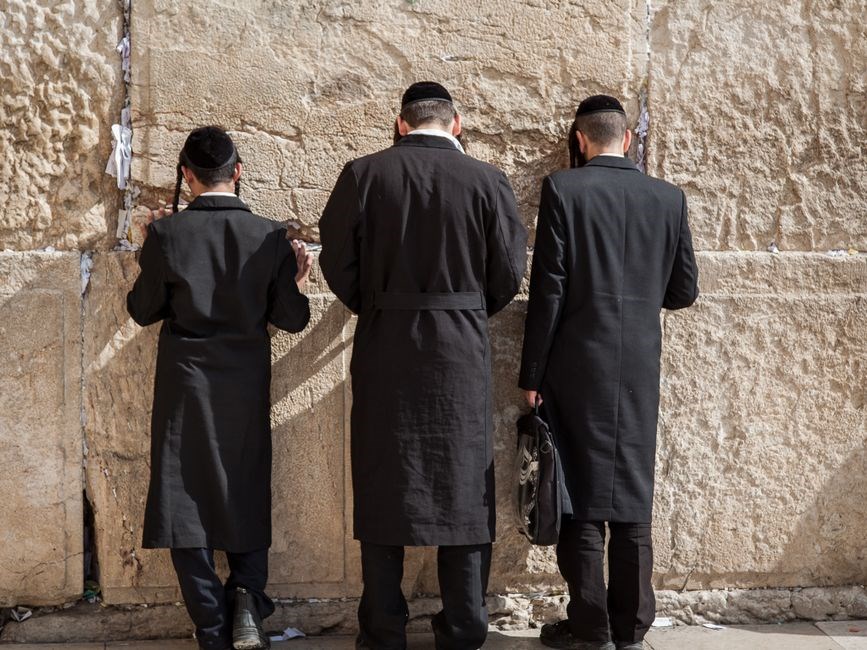
The 2023 Jewish calendar highlights Rosh Hashanah on September 17-18‚ Yom Kippur on September 26‚ Passover from April 9-16‚ Shavuot on May 28-29‚ and Sukkot starting September 2․ Diaspora dates differ slightly from Israel‚ impacting community planning․ All dates are diaspora‑specific․ Use PDF for planning․
High Holy Days: Rosh Hashanah and Yom Kippur 2023
Rosh Hashanah 2023 begins at sunset on September 17 and ends at nightfall on September 18․ The holiday marks the Jewish New Year‚ featuring the blowing of the shofar‚ communal prayers‚ and festive meals that emphasize renewal‚ reflection‚ and repentance․ In diaspora communities‚ the first day starts on the evening of September 17‚ while the second day follows the next sunset‚ aligning with the Hebrew calendar’s two‑day observance․ The PDF calendar lists the exact sunset times for each location‚ allowing users to plan their observances accurately․
Yom Kippur‚ the Day of Atonement‚ commences at sunset on September 26 and ends at nightfall on September 27․ This solemn day is dedicated to fasting‚ intensive prayer‚ and seeking forgiveness․ The PDF provides the precise start and end times for each city‚ ensuring that diaspora congregants observe the fast in accordance with local sunset times․ The document also notes the traditional liturgical components‚ such as the Kol Nidrei service‚ the Amidah‚ and the reading of the Ten Commandments‚ which are integral to the Yom Kippur experience․
For both holidays‚ the PDF includes color‑coded entries that distinguish the High Holy Days from other observances․ Users can easily identify the dates and times‚ and the calendar’s bilingual format displays Hebrew names alongside Gregorian dates․ This feature is especially useful for diaspora communities that rely on accurate timing for prayer services and community events․ The PDF’s layout also highlights the significance of each day‚ offering brief explanatory notes that contextualize the rituals within the broader framework of Jewish tradition․ By providing a comprehensive‚ location‑specific resource‚ the 2023 Jewish Calendar PDF supports faithful observance and enhances communal participation during the most sacred periods of the year․
The PDF also provides guidance on how diaspora communities adjust for daylight saving time‚ ensuring that the sunset times reflect local changes․ Additionally‚ it lists the recommended fasting guidelines for those who observe Yom Kippur‚ including permissible foods and beverages during the preparatory period․ The calendar’s design incorporates a clear visual hierarchy‚ with the High Holy Days highlighted in a distinct shade to draw attention․ This visual cue assists users in quickly locating the most important dates․ The inclusion of Hebrew transliterations aids learners and those new to the calendar‚ fostering a deeper connection to the holiday names․ Overall‚ the PDF serves as an authoritative reference for both seasoned practitioners and newcomers‚ offering a reliable‚ easy‑to‑use tool for planning and reflection during the High Holy Days of 2023․
Furthermore‚ the PDF includes a brief historical overview of Rosh Hashanah and Yom Kippur‚ tracing their origins back to biblical events such as the creation narrative and the covenant at Sinai․ It explains how these days are linked to the themes of judgment and mercy‚ and how the liturgy reflects these concepts․ The calendar also notes the customary practice of wearing white garments on Yom Kippur to symbolize purity and humility․ For Rosh Hashanah‚ the use of apples dipped in honey symbolizes the hope for a sweet new year․ These cultural insights enrich the user’s understanding and enhance the spiritual experience․
Other Major Festivals: Passover‚ Shavuot‚ Sukkot
Passover 2023 spans from the evening of April 5 to the nightfall of April 13‚ commemorating the Exodus from Egypt․ The PDF lists the exact sunset times for each community‚ enabling precise observance of the Seder on the first night and the prohibition of chametz throughout the eight days․ Shavuot follows on the evening of May 24‚ lasting until nightfall on May 25‚ marking the giving of the Torah at Sinai․ The calendar indicates the 24‑hour fasting tradition and the reading of the Ten Commandments‚ with Hebrew and Gregorian dates side by side․ Sukkot begins at sunset on September 3 and ends at nightfall on September 10‚ celebrating the harvest and the temporary dwellings of the Israelites․ The PDF highlights the construction of the sukkah‚ the waving of the lulav and etrog‚ and the special prayers for each day․ For diaspora communities‚ the PDF provides local sunset times and daylight‑saving adjustments‚ ensuring that the festivals align with regional schedules․ Each festival entry includes color‑coded markers‚ Hebrew names‚ and brief explanatory notes that contextualize the rituals within Jewish history and theology․ The layout facilitates quick reference for planning meals‚ prayers‚ and community gatherings‚ while the bilingual format supports both Hebrew‑speaking and English‑speaking users․ By offering a comprehensive‚ location‑specific resource‚ the 2023 Jewish Calendar PDF enhances observance and fosters deeper engagement with the core festivals of the Jewish year․ This PDF offers a downloadable iCal file for calendar integration․

Differences Between Diaspora and Israel Dates
Diaspora communities observe holidays one day earlier or later than Israel due to sunset calculations andlocal customs․ The PDF lists both sets of dates‚ allowing users to compare and plan accordingly․ This dual listing ensures accurate observance worldwide․ The PDF lists Israel’s 24‑hour 25‑hour fast․
Adjustment of Holiday Dates for Diaspora Communities
Hebcal’s 2023 PDF incorporates the traditional diaspora timing for each holiday․ For festivals that begin at sunset‚ the PDF lists the start date as the evening preceding the Gregorian day‚ while the end date follows the next sunset․ This ensures that diaspora observances align with the local sunset schedule‚ which differs from the Israel 24‑hour fast․ The PDF also notes the one‑day shift for Rosh Hashanah and Yom Kippur‚ reflecting the diaspora’s practice of observing the holidays on the day after the Israel date․ Additionally‚ the PDF marks the “Adar II” leap‑month adjustment for diaspora communities‚ indicating the extra month’s placement in the calendar․ Users can toggle between the diaspora and Israel dates within the PDF viewer‚ allowing quick comparison․ The document also includes a brief explanation of the sunset calculation method used for diaspora communities‚ referencing the standard 18‑minute twilight rule․ The PDF provides a clear guide for diaspora communities to calculate sunset times accurately․ This comprehensive approach guarantees accurate holiday planning for diaspora Jews worldwide․ The PDF’s adjustment algorithm accounts for the sunset timing differences between Israel and diaspora locales․ It applies the 18‑minute twilight rule to determine the exact start of Rosh Hashanah and Yom Kippur‚ ensuring diaspora communities begin the fast at the correct local sunset․ For festivals that start at sunset‚ the PDF marks the preceding evening as the official start‚ while the next sunset marks the end․ This alignment helps diaspora families coordinate prayer services‚ meal preparations‚ and events with local sunset times!
Where to Download the Official PDF
Download the 2023 Jewish Calendar PDF directly from Hebcal’s official site․ Visit Hebcal and click the PDF link for the diaspora calendar․ The file is free‚ printable‚ and includes Gregorian dates․ Use the PDF for study‚ planning‚ or teaching․ The download link is updated yearly to reflect calendar changes ensuring accuracy for each new year
Hebcal Official Site and Direct Download Link
Hebcal official website (https://www․hebcal․com) hosts the 2023 Jewish Calendar PDF‚ which is freely downloadable for diaspora communities․ To access the PDF‚ navigate to the “Calendars” section‚ select “2023” from the year dropdown‚ and click the “Download PDF” button․ The resulting file contains the full Hebrew calendar for 2023‚ complete with Gregorian dates‚ holiday names‚ and weekly Torah portions․ The PDF is formatted for easy printing‚ with clear page breaks and a clean layout that highlights key observances․ Users can save the file locally‚ share it with study groups‚ or print it for daily use․ The direct link to the PDF is also available via the “Share” button‚ which generates a permanent URL that can be bookmarked or embedded in websites․ For those who prefer a quick copy‚ the site offers a “Download PDF” shortcut that initiates the download without additional navigation․ The PDF is updated annually to reflect any changes in the Hebrew calendar‚ ensuring that users always have the most accurate information for planning holidays and observances․ Additionally‚ Hebcal offers a mobile-friendly interface where users can view the calendar on smartphones and tablets․ The site’s navigation bar includes links to the Hebrew calendar‚ holiday alerts‚ and a reminder system․ Users can set email notifications for upcoming holidays soon ensuring they never miss a significant date․ The PDF download button is prominently displayed on the calendar page‚ making it easy to obtain a hard copy for reference or archival purposes․

Features of the PDF Format
The 2023 Jewish Calendar PDF offers a printable layout with color‑coded days‚ Hebrew names‚ and Gregorian dates․ It includes weekly Torah portions‚ holiday details‚ and is free to download from Hebcal․ The design is clean‚ easy to read‚ and suitable for study groups․
Printable Calendar with Color-Coded Days
The 2023 Jewish Calendar PDF offers a printable layout that aligns Hebrew dates with Gregorian equivalents․ It uses color coding: major festivals in red‚ minor holidays in blue‚ weekdays in gray․ This visual cue helps users quickly spot key observances without cross‑referencing a separate list․
Printing is straightforward: the PDF fits neatly on a single page per month․ Users can print the entire year or select individual months․ The color scheme is printer‑friendly‚ with high‑contrast colors that remain legible even when printed in grayscale․ For digital use‚ the PDF opens on tablets or smartphones‚ and can be zoomed for detail․ Additionally‚ the calendar includes a small sidebar with the weekly Torah portion‚ which helps users integrate study into daily life․ and a QR code for quick access․
The PDF includes a legend that explains color meanings and provides quick reference for holiday types․ The layout is responsive‚ so month headings‚ dates‚ and holiday markers adjust automatically to fit the page without overlapping․ This design keeps the calendar usable across devices and printing settings․ The design also supports multiple languages‚ allowing users to view Hebrew and English side by side․
Overall‚ the printable‚ color‑coded format of the 2023 Jewish Calendar PDF enhances usability‚ making it easier for families‚ schools‚ and community groups to plan their year around the Hebrew calendar․ Clear visual cues and precise date alignment support both casual reference and detailed scheduling․
Inclusion of Hebrew Names and Gregorian Dates
The 2023 Jewish Calendar PDF presents each day with its Hebrew name alongside the corresponding Gregorian date‚ ensuring clarity for users who navigate between calendars․ Each month begins with the Hebrew month name in bold‚ followed by a table that lists every day of the month․ The left column displays the Hebrew date‚ such as “1 Tishrei” or “15 Adar II‚” while the right column shows the Gregorian equivalent‚ for example “September 16‚ 2023” or “February 28‚ 2023․” This dual‑date format allows readers to instantly identify the Hebrew day of the week and the Gregorian day‚ which is essential for planning observances‚ school schedules‚ and community events․ The PDF also includes a legend at the bottom of each page that explains the meaning of the Hebrew numerals and the significance of each holiday‚ providing context for those unfamiliar with the Hebrew calendar system․ Additionally‚ the document offers a small icon next to each holiday that indicates whether it is a full‑day observance‚ a semi‑holiday‚ or a minor festival․ This iconography is consistent throughout the year‚ making it easy to scan the calendar for upcoming events․ For users who prefer a more compact view‚ the PDF can be zoomed in or printed in a reduced size‚ and the Hebrew names remain legible even at smaller font sizes․ The inclusion of both Hebrew and Gregorian dates also supports multilingual users‚ as the PDF can be translated or overlaid with additional language tracks without losing the core date information․ Overall‚ the 2023 Jewish Calendar PDF serves as a comprehensive reference that bridges the gap between the Hebrew and Gregorian calendars‚ making it a valuable resource for individuals‚ families‚ and institutions that need to coordinate activities across both systems․ The file’s compact size‚ usually under 600 kilobytes‚ allows quick downloads even on mobile networks․ Its design also supports accessibility‚ providing screen‑reader friendly text and high‑contrast color schemes for visually impaired users․ This thoughtful construction ensures the calendar is usable by all․ It is a reliable resource for anyone seeking accurate‚ bilingual date information․
Licensing and Copyright Considerations
The 2023 Jewish Calendar PDF is released under an open‑source license‚ allowing use‚ modification‚ and distribution․ Users may reproduce it for personal or educational purposes without attribution‚ though commercial use should be verified with Hebcal’s terms!!!
Open-Source Status and Usage Permissions
The 2023 Jewish Calendar PDF is distributed under an open‑source license‚ specifically the Creative Commons Attribution‑ShareAlike 4․0 International (CC‑BY‑SA 4․0) license․ This license permits anyone to copy‚ distribute‚ display‚ and perform the work‚ as well as to remix‚ transform‚ and build upon the material‚ provided that proper credit is given to the original author‚ a link to the license is included‚ and any derivative works are shared under the same license terms․ The PDF includes Hebrew and Gregorian dates‚ holiday names‚ and weekly Torah portion references‚ all of which are free to use for personal‚ educational‚ or non‑commercial purposes․ For commercial use‚ the license requires that the user either provide attribution and share the derivative under the same license․ The source code for generating the PDF is also available on GitHub‚ allowing developers to customize the format‚ add new features‚ or integrate the calendar into other applications․ All content is provided “as is” with no warranties‚ and the authors are not liable for any errors or omissions․ Users are encouraged to consult the full license text on the official Hebcal website or the Creative Commons website for detailed legal guidance․ The open‑source nature of the calendar ensures that it can be freely distributed‚ modified‚ and shared across communities worldwide‚ fostering accessibility and inclusivity for Jewish communities globally․ All users may freely share the PDF‚ provided they credit Hebcal and keep license ․

Common Troubleshooting and Support Resources
For PDF issues‚ visit Hebcal’s FAQ page‚ join the community forum‚ or email support@hebcal․com․ Common problems include missing Hebrew fonts‚ incorrect dates‚ or download errors․ Solutions involve refreshing the browser‚ clearing cache‚ or downloading the latest PDF version․Check the PDF updated dates․!
FAQ and Community Forums for PDF Issues
Users frequently encounter issues when downloading or viewing the 2023 Jewish Calendar PDF․ Common problems include missing Hebrew characters‚ incorrect date alignment‚ or corrupted files․ The Hebcal support team recommends the following steps:
Verify PDF viewer supports Unicode fonts; install Hebrew fonts․
Ensure you download the latest version from Hebcal’s site; avoid cached copy․
If the PDF is blank‚ try a different viewer․ Use Reader․
For date mismatches‚ cross‑check Hebrew month names against Gregorian dates listed in the calendar․ The Hebrew calendar is lunisolar‚ so months shift each year; the PDF reflects the diaspora schedule‚ not the Israel schedule․
If you encounter a “file not found” error‚ clear your browser cache or use a private/incognito window before re‑downloading․
Community forums on Hebcal’s website let users post screenshots and error messages․ Members provide quick fixes or alternative links․ The FAQ covers font and rendering issues‚ while the thread “PDF download problems” is updated weekly with solutions․ Reporting a new issue is encouraged: click the “Report a Problem” button‚ fill the form‚ attach a screenshot․ The support team reviews reports within 24–48 hours and may release a patched PDF if a widespread bug is confirmed․
Leave a Reply
You must be logged in to post a comment.